Red Skelton
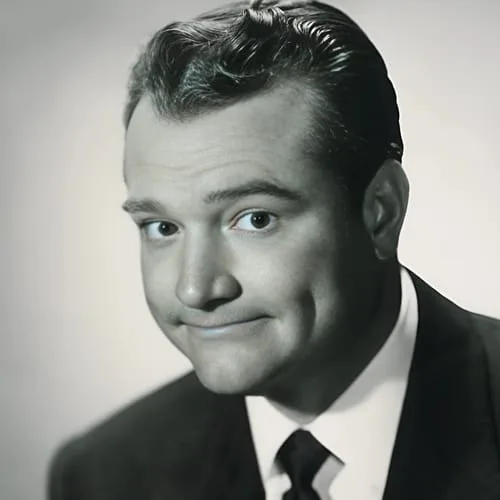
Red Skelton was more than just a comedian; he was a multifaceted entertainer who defined American comedy for three generations. With his unique blend of pantomime, character work, and heartfelt humor, Skelton transformed radio and television entertainment, becoming one of the most beloved performers of the mid-20th century.
From Humble Beginnings to Vaudeville Stage
Born Richard Bernard Skelton on July 18, 1913, in Vincennes, Indiana, he emerged from extreme poverty to become a legendary entertainer. His father, a grocer, died two months before his birth, leaving the family in challenging financial circumstances. Despite these hardships, young Skelton discovered his comedic talents early, developing his skills from the age of 10 when he became part of a traveling show. Skelton's early career was marked by determination and versatility. He worked various jobs, including time on a medicine show and performing on the burlesque circuit, before entering vaudeville in 1934. His breakthrough came with the "Doughnut Dunkers" pantomime sketch, which he wrote with his first wife, launching his career in vaudeville, radio, and films.
The Rise of a Radio Sensation
Skelton's radio career took off in 1937 when he made a guest appearance that quickly led to hosting opportunities. By 1938, he was hosting Avalon Time, and in 1941, he launched his own radio show. During this period, he developed numerous memorable characters that would become staples of his comedy, including Bolivar Shagnasty, Cauliflower McPugg, Deadeye, Willie Lump-Lump, and San Fernando Red. His radio performances were not without controversy. In a notable incident on April 22, 1947, Skelton was briefly censored by NBC two minutes into his show, demonstrating his willingness to push boundaries and maintain his comedic integrity.
Conquering Television and Expanding His Craft
Skelton's transition to television was strategic and groundbreaking. He negotiated with MGM to pursue television performances, becoming the only major MGM personality with such privilege. The Red Skelton Show premiered on September 30, 1951, quickly becoming a family entertainment staple. What set Skelton apart was his mastery of pantomime. He frequently employed silent comedy, with a segment of his weekly program called the "Silent Spot". He believed that having the right hat was key to getting into character. His approach to comedy was philosophical: "A comedian goes out and hits people right on. A clown uses pathos. He can be funny, then turn right around and reach people and touch them with what life is like."
A Multifaceted Artist and Humanitarian
Beyond comedy, Skelton was a talented painter, particularly known for his clown paintings. What began as a hobby became a significant income source, with his artwork earning $2.5 million annually in lithograph sales. During World War II, he served in the Army, entertaining troops and developing a profound understanding of using humor to heal and connect with people. His commitment to entertainment was unwavering. After leaving television in 1971, he continued performing live, doing up to 125 shows annually. He even hired sign language interpreters to ensure his performances were accessible to hearing-impaired audiences.
Legacy and Recognition
Skelton's impact on American entertainment was immense. He received numerous awards, including Emmy Awards, a Lifetime Achievement Award from the Screen Actors Guild, and induction into the Television Academy Hall of Fame. His legacy was not just about making people laugh, but about touching their hearts. As CBS noted upon his death, "Red's audience had no age limits. He was the consummate family entertainer—a winsome clown, a storyteller without peer, a superb mime, a singer, and a dancer."
Works and Appearances
Radio Shows
- Avalon Time (1938-1939)
- The Red Skelton Hour (1941-1957)
- Syndicated radio program (1954)
Television
- The Red Skelton Show (1951-1970)
- The Red Skelton Hour (1962-1970)
Films
- Whistling in the Dark (1941)
- Bataan (1943)
- Texas Carnival (1951)
Notable Characters
- Freddie the Freeloader
- Cauliflower McPugg
- Deadeye
- Willie Lump-Lump
- San Fernando Red
Red Skelton passed away on September 17, 1997, leaving behind a legacy of laughter, compassion, and artistic brilliance that continues to inspire generations of performers.