Paul Muni
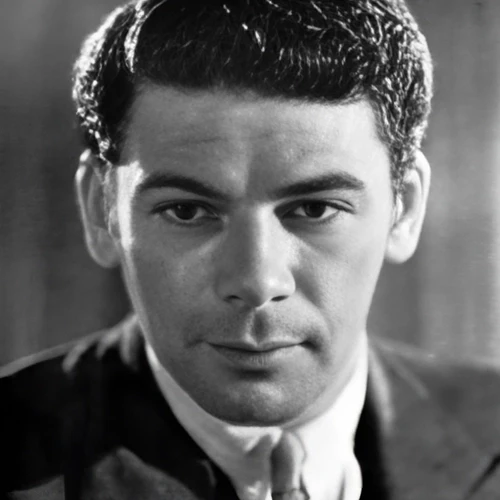
Paul Muni was a transformative actor whose extraordinary talent and dedication revolutionized stage and screen performance during the early to mid-20th century. Known for his remarkable ability to completely inhabit characters, Muni became one of the most respected and versatile performers of his generation.
Early Life and Theatrical Roots
Born Frederich Meshilem Meier Weisenfreund on September 22, 1895, in Lemberg, Austro-Hungarian Empire (now Lviv, Ukraine), Muni emerged from a theatrical family. As a child, he began performing in the Yiddish theater in Chicago alongside his actor parents, quickly developing an extraordinary talent for transformation. By age 12, he could convincingly play an 80-year-old man, showcasing his remarkable makeup and acting skills.
Entry into Professional Performance
Muni's early career was deeply rooted in theater. He began acting in English-language productions in 1926, with his first role being an elderly Jewish man in the play We Americans. His incredible makeup techniques and ability to completely transform himself caught the attention of theatrical producers, who recognized his unique talents.
Hollywood and Cinematic Breakthrough
In 1929, Muni was signed by a major studio, with his name anglicized from Weisenfreund to Paul Muni. Despite initial challenges, including box office disappointments with his first films, Muni's extraordinary acting abilities soon gained recognition. He became renowned for his intense preparation and ability to fully embody biographical characters.
Signature Performance Style
Muni was celebrated for his meticulous approach to character development. For each role, particularly biographical parts, he would conduct extensive research. When preparing to play Louis Pasteur, he read everything available about the scientist and his contemporaries. His dedication was so profound that he was described as being "pursued by a fear of failure" by contemporaries.
Legacy and Impact
Throughout his career, Muni was nominated for the Academy Award four times, winning once for The Story of Louis Pasteur in 1936. His influence was so significant that actors like Marlon Brando and Al Pacino cited him as a profound inspiration. Pacino specifically noted Muni's acting went "beyond the boundaries of naturalism into another kind of expression".
Works and Appearances
Radio Appearances
- Lux Radio Theatre
- The Story of Louis Pasteur (1936)
- The Life of Emile Zola (May 8, 1939)
Paul Muni passed away on August 25, 1967, leaving behind a legacy of extraordinary performances that transformed American acting.