Mary Livingstone
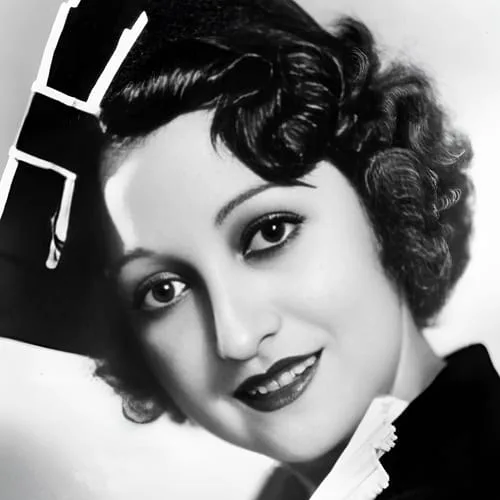
Mary Livingstone was a pioneering comedienne who became an integral part of one of radio's most beloved comedy teams, transforming from a reluctant performer to a beloved radio personality who helped define the golden age of American comedy.
Early Life and Unexpected Stardom
Born Sadya Marcowitz on June 25, 1905, in Seattle, Washington, Mary Livingstone came from a prosperous Jewish family. Her father, David Marcowitz, was a successful scrap metal dealer from Romania, and the family later anglicized their surname to Marks. From an early age, Livingstone's life would become intertwined with comedy through a chance encounter that would change her trajectory forever. In 1922, she first met Jack Benny at her family home, where she was immediately captivated by the comedian. Despite her initial crush, their romantic relationship would not immediately blossom. It wasn't until 1925 that their paths truly crossed, with a memorable encounter at a theater where Benny barely acknowledged her. Ironically, this initial brush-off would not deter Livingstone, who would later become Benny's wife and professional partner.
Radio Career and Comedic Partnership
Livingstone's entry into radio was almost accidental. During a live radio show in 1932, an actress failed to appear, and Benny spontaneously asked his wife to fill in as a character named Mary Livingstone, portraying his biggest fan. What was intended as a one-time appearance became a permanent fixture of the Jack Benny Program. Her comedic style was unique, often characterized by her sharp wit and playful antagonism towards Benny. She became known for reading fictional letters from her mother, creating hilarious narratives about her imaginary family. One of her most memorable comedic moments was her infamous "chiss sweeze" sandwich order, which became a long-running joke on the show.
Personal Challenges and Performance Anxiety
Despite her success, Livingstone struggled with severe stage fright. By the time the show transitioned to television, her appearances became increasingly rare. In her own words, "Every Sunday night became the most torturous day of the week," and television made her anxiety even more pronounced. Her performance anxiety ultimately led to her retirement from show business in 1958.
Legacy and Personal Life
Livingstone's relationship with her husband was complex. While deeply connected professionally, their personal life had its challenges. They adopted a daughter, Joan, in 1934, though Joan later revealed a distant relationship with her mother. Contemporaries like Lucille Ball described Livingstone as a "hard-hearted Hannah" who exerted significant control over her husband's life.
Conclusion
Mary Livingstone's contribution to comedy extends far beyond her on-air performances. She was a trailblazing woman in entertainment, who helped shape the landscape of radio comedy during its golden age. Her unique comedic timing, willingness to play against type, and partnership with Jack Benny made her an unforgettable figure in American entertainment history.
Works and Appearances
Radio
- The Jack Benny Program (1932-1958)
- Regular cast member
- Played herself and various comedic characters
Television
- The Jack Benny Program (occasional appearances)
- Jack Benny's 20th Anniversary Special (1970) - Final performance
Film
- Appeared in animated cartoon spoofing radio show (1959)
Notable Collaborations
- Worked extensively with Jack Benny
- Occasional appearances with comedy contemporaries like George Burns and Gracie Allen