Marlene Dietrich
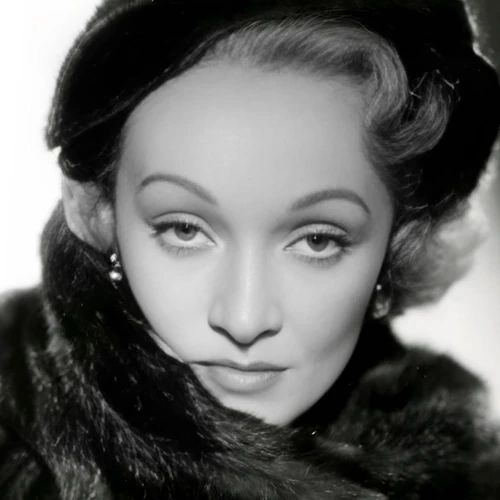
Marlene Dietrich was far more than just a Hollywood star - she was a multifaceted entertainer who made significant contributions to radio broadcasting during one of the most critical periods in modern history. Her distinctive voice and international appeal transformed her radio performances into powerful tools of entertainment and wartime morale-boosting.
Early Life and Radio Beginnings
Born Marie Magdalene Dietrich on December 27, 1901, in Berlin, Germany, she discovered her love for performance early. Though initially aspiring to be a concert violinist, a wrist injury redirected her artistic talents. By the early 1920s, Dietrich was already performing in Berlin's vibrant entertainment scene, which would later inform her radio work. Her transition into entertainment was marked by appearances in various revues and stage productions. These early performances honed her skills as a dynamic performer, preparing her for the diverse media landscape she would eventually conquer. Her ability to captivate audiences would prove crucial in her radio career.
Radio Performance and Wartime Broadcasting
During World War II, Dietrich's radio performances took on a profoundly patriotic dimension. She became one of the first public figures to help sell war bonds, touring the United States from January 1942 to September 1943. Her radio appearances were not merely entertainment but powerful acts of resistance against Nazi Germany. Dietrich made several appearances on radio shows like The Army Hour and Command Performance during the war years. In 1952, she even had her own series on American ABC entitled Marlene. Between 1953-54, she starred in 38 episodes of a CBS radio program. These broadcasts showcased her versatility and commitment to using media as a platform for communication and inspiration.
Unique Broadcasting Style
What set Dietrich apart in radio was her multilingual capabilities and distinctive vocal presence. Fluent in German, English, Italian, and French, she could connect with diverse audiences. Her radio performances were more than mere entertainment; they were carefully crafted experiences that blended her theatrical background with her political convictions. In 1958, she recorded 94 short inserts titled "Dietrich Talks on Love and Life" for NBC's radio programming. These segments revealed her ability to engage listeners intimately, sharing personal insights and observations that transcended traditional broadcasting formats.
Legacy in Broadcasting and Entertainment
Dietrich's radio work was intrinsically linked to her broader entertainment career. She understood radio as a powerful medium for storytelling and political messaging. During the war, her broadcasts were instrumental in boosting troop morale and selling war bonds, for which she received significant recognition. Her radio performances complemented her stage and film work, creating a multimedia persona that was both glamorous and politically engaged. She used her platform to advocate for refugees, sell war bonds, and challenge political oppression, making her radio work a form of cultural diplomacy.
Conclusion
Marlene Dietrich's radio career was a testament to her extraordinary ability to transcend traditional entertainment boundaries. She transformed radio from a mere communication tool into a platform for artistic expression, political resistance, and international understanding. Her legacy extends far beyond her iconic film roles, positioning her as a pioneering multimedia artist who used every available medium to communicate her art and her beliefs.
Works and Appearances
Radio
- The Army Hour (1942-1945) - Various appearances
- Command Performance (1942-1945) - Various performances
- Marlene (ABC, 1952) - Series host
- Unnamed CBS Radio Series (1953-1954) - 38 episodes
- "Dietrich Talks on Love and Life" (NBC, 1958) - 94 short inserts
Television
- Various interview and documentary appearances
- Marlene Documentary (1984) - Vocal participation
Film
- Multiple leading roles from 1930-1961
- Final film appearance in Just a Gigolo (1978)
Stage
- Numerous cabaret and live performances worldwide (1950-1975)
Books
- Nehmt nur mein Leben (Autobiography, 1979)
- Marlene Dietrich's ABC (1962)
Heard in