Margaret Truman
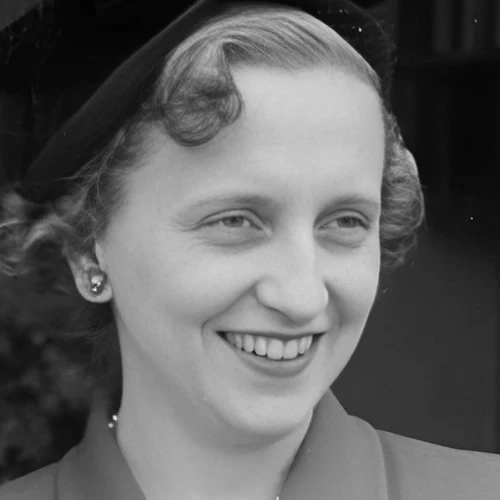
Margaret Truman was far more than just the daughter of President Harry S. Truman—she was a multifaceted performer, writer, and media personality who carved out a unique path in radio, entertainment, and literature during the mid-20th century. Her journey from the White House to the airwaves and bookshelves is a testament to her versatility and determination.
Early Life and Radio Beginnings
Born Mary Margaret Truman on February 17, 1924, in Independence, Missouri, she was the only child of Harry and Bess Truman. From an early age, Margaret showed a keen interest in music, taking voice and piano lessons encouraged by her father. Her musical training would become the foundation for her early radio and performance career. During her father's presidency from 1945 to 1953, Margaret became a familiar public figure, accompanying him on campaign trips and appearing at significant political events. Her media presence was notable, and she quickly became a favorite with journalists and audiences alike. Her professional radio debut came in March 1947, marking the beginning of her performance career.
Radio Performance and Entertainment
Margaret's radio career was multifaceted and dynamic. She made her professional acting debut on April 26, 1951, co-starring in a radio episode of Jackpot. She also performed on notable programs like The Big Show, where she met writer Goodman Ace, who became a lifelong mentor and friend. In 1955, she became part of the Weekday radio show team, presenting news and interviews targeted at a female audience. Her radio work wasn't limited to music and interviews; she also appeared multiple times as a panelist and mystery guest on game shows. Her versatility in radio demonstrated her ability to engage audiences across different formats.
Musical Career and Critical Challenges
Margaret's classical singing career was both promising and controversial. She began taking voice lessons at 16 and made her professional concert debut with the Detroit Symphony Orchestra. Throughout the late 1940s and early 1950s, she performed with major American orchestras and embarked on national concert tours. However, her musical journey wasn't without challenges. In 1950, music critic Paul Hume wrote a scathing review criticizing her vocal abilities, which prompted her father's famous and fiery response threatening physical retribution. This incident drew international headlines and became a minor scandal for the Truman administration.
Transition to Writing and Media
By 1957, Margaret had transitioned from her singing career to journalism and writing. She co-hosted radio programs, wrote articles for various publications, and eventually became a successful author. Her writing spanned multiple genres, including murder mysteries, biographies, and works about political families. Her most notable works included a critically acclaimed biography of her father published before his death in 1972, and a series of 25 murder mysteries in the Capital Crimes series. Interestingly, it was later revealed that these novels were primarily written by ghostwriters.
Legacy and Impact
Margaret Truman's legacy is that of a renaissance woman who successfully navigated multiple media platforms. From radio performer to author, she demonstrated remarkable adaptability. She served on various institutional boards and continued writing prolifically into her eighties. She passed away on January 29, 2008, in Chicago, leaving behind a diverse and impressive body of work that extended far beyond her identity as a president's daughter.
Works and Appearances
Radio
- Weekday Show (1955-1957) - Co-host
- The Big Show - Performer
- Various game show appearances as panelist and mystery guest
Television
- Multiple television program appearances
- Guest performances on various shows
Writing
Non-Fiction Books
- White House Pets (1969)
- Harry S. Truman (1973)
- Bess W. Truman (1986)
- First Ladies (1995)
Fiction Books
- Capital Crimes mystery series (1980-2008) - 25 novels
- Primarily ghostwritten by Donald Bain and others
Music
- Classical concert performances (1947-1956)
- Recordings with multiple symphony orchestras
Margaret Truman's multifaceted career exemplifies the dynamic media landscape of mid-20th century America, showcasing her talent, resilience, and adaptability across various entertainment platforms.