Lloyd Nolan
Lloyd Nolan was a remarkable actor whose career spanned radio, film, and television, making significant contributions to entertainment across multiple mediums. Though best known for his versatile acting abilities, Nolan's radio work was a crucial early chapter in his long and distinguished career.
Early Life and Radio Beginnings
Born Lloyd Benedict Nolan on August 11, 1902, in San Francisco, California, he emerged as a talented performer during the golden age of radio. While the online sources don't provide extensive details about his initial radio work, they reveal his remarkable versatility as a performer. Nolan quickly became known for his ability to inhabit diverse characters, a skill that would serve him well across his entertainment career. His radio appearances were primarily on the legendary anthology series Suspense, where he demonstrated his vocal range and dramatic capabilities. Between 1945 and 1953, Nolan appeared in multiple episodes, including memorable broadcasts like "Murder for Myra", "Hunting Trip", and "Vial of Death". These radio performances showcased his ability to create compelling audio narratives, drawing listeners into intricate storylines through his voice alone.
Transition to Multiple Media
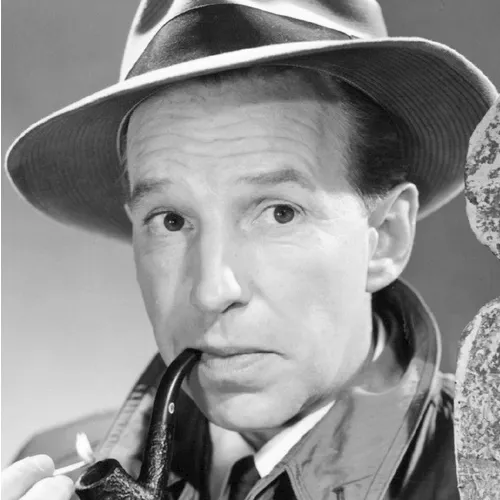
Nolan's radio work was just the beginning of a multifaceted career. He seamlessly transitioned between radio, film, and television, becoming what critics called an "actor's actor" - reliable, versatile, and consistently engaging. His radio experience likely contributed to his ability to adapt quickly to different performance mediums. In television, Nolan made significant impacts, particularly in shows like Martin Kane, Private Eye, where he played the titular character in seven episodes. He also received critical acclaim for his performance in The Caine Mutiny Court-Martial, winning a Primetime Emmy Award for his portrayal of Lieutenant Commander Philip Francis Queeg.
Notable Radio Performances
On Suspense, Nolan became a recurring performer, participating in various dramatic radio plays that highlighted his range. His radio appearances included episodes like "Nineteen Deacon Street", "Green-Eyed Monster", and "Double Ugly". These performances demonstrated his ability to create tension, emotion, and narrative depth using only vocal performance. The radio series Suspense was particularly significant, representing the pinnacle of dramatic radio storytelling. Nolan's participation in multiple episodes underscored his reputation as a reliable and talented performer who could bring complex characters to life through sound alone.
Legacy in Broadcasting
Lloyd Nolan's contributions to radio were part of a broader, distinguished entertainment career. While radio was an important medium for him, he was equally renowned for his film and television work. His radio performances helped establish him as a versatile actor capable of inhabiting multiple personas. Nolan's legacy extends beyond his performances. He was also an advocate, notably speaking out on social issues and supporting causes like autism awareness. In 1973, he testified to Congress about recognizing autism as a developmental disability, demonstrating his commitment to using his public platform for meaningful change.
Conclusion
Lloyd Nolan represents a quintessential mid-century performer who mastered the art of storytelling across various media. His radio work, though perhaps less remembered today, was a crucial foundation for his later success in film and television. His ability to create vivid characters through voice alone made him a standout performer during radio's golden age.
Works and Appearances
Radio
- Suspense (1945-1953)
- Multiple episodes including "Murder for Myra", "Hunting Trip", "Vial of Death"
- Performed various dramatic roles
Television
- Martin Kane, Private Eye (1951-1952)
- Played Martin Kane in 7 episodes
Film
- G Men (1935)
- Michael Shayne detective series (multiple films, 1940-1942)
- Bataan (1943)
- Peyton Place (1957)
- Airport (1970)
Heard in