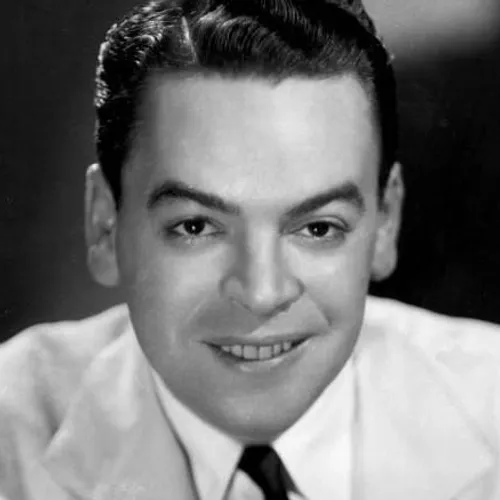
In the golden age of big band and swing music, few names resonated as powerfully as Les Brown. A pioneering bandleader whose career spanned over six decades, Brown transformed the landscape of American popular music and became an integral part of the entertainment industry's most vibrant period.
Early Life and Musical Beginnings
Born Lester Raymond Brown on March 14, 1912, in Reinerton, Pennsylvania, his musical journey began early. In 1926, he enrolled in the Conway Military Band School, studying under a famous bandleader and developing the foundational skills that would define his future career. Brown's talent was quickly recognized, earning him a music scholarship that led to his graduation from Duke University in 1932. During his college years, Brown began forming the musical connections that would launch his professional career. At Duke, he led a campus group that performed regularly up and down the east coast. In 1936, he took the band on an extensive summer tour, which ultimately became the catalyst for forming the Les Brown Orchestra in 1938.
Rise to Prominence in the Big Band Era
The late 1930s and 1940s marked Brown's ascent to national prominence. His band became a staple on the Spotlight Band radio program, which broadcast to military audiences and made them favorites among millions of servicemen. In 1942, the band was first referred to as "Les Brown & His Band of Renown", a moniker that would become legendary in the music world. Brown's musical prowess was evident in his chart-topping hits. In 1941, the band scored a #1 hit with "Joltin' Joe DiMaggio", featuring lead vocalist Betty Bonney. Their 1945 recording of a significant song coincided with the end of World War II in Europe, becoming an unofficial homecoming theme for veterans.
Entertainment and Collaboration
Brown's influence extended far beyond music. He and his band became closely associated with Bob Hope, performing on radio, stage, and television for almost fifty years. They completed 18 USO Tours, entertaining over three million troops worldwide. The band also appeared in multiple films and became the house band for several television shows, including the Bob Hope Show and The Dean Martin Show.
Legacy and Later Years
Throughout his career, Brown performed with virtually every major performer of his time. His annual Big Band Festival, started in 2006 in his hometown, continues to preserve the music of the big band era. In a touching tribute, Reinerton, Pennsylvania adopted the slogan "The Town of Renown" in his honor. Les Brown Sr. passed away on January 4, 2001, at the age of 88. His legacy was carried on by his son, Les Brown Jr., who led the Band of Renown until his own passing in 2023. In 2010, Les Brown was inducted into the Big Band and Jazz Hall of Fame, cementing his status as a musical legend.
Works and Appearances
Radio
- Spotlight Band radio program (1940s)
- Bob Hope Show (1945-1966)
Television
- Bob Hope Show (1959-1966)
- Steve Allen Show (1958-1961)
- Dean Martin Show (1965-1966)
- Rowan & Martin's Laugh-In (1968)
Films
- Sweet and Hot (1942)
- Rock-A-Billy Baby (1957)
Notable Albums
- Sentimental Journey (1947)
- Dance Date With Les Brown (1950)
- The Les Brown Story: His Greatest Hits (1959)
Les Brown's remarkable journey from a small Pennsylvania town to becoming a defining figure in American music represents the quintessential story of talent, perseverance, and artistic innovation.