Jose Ferrer
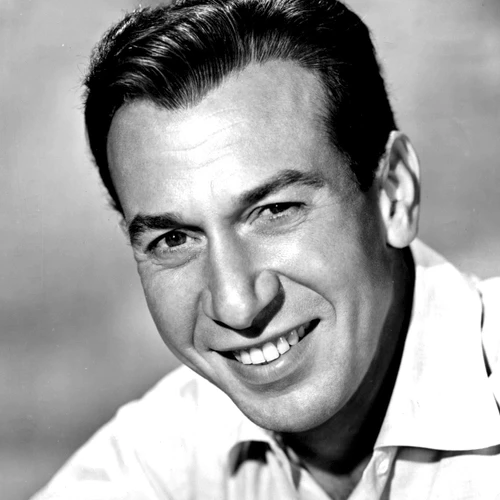
José Vicente Ferrer de Otero y Cintrón was a remarkable artist whose talents transcended multiple entertainment mediums, making him one of the most versatile performers of the mid-20th century. Though best known for his Oscar-winning acting and Broadway performances, Ferrer was also a significant presence in radio, bringing his extraordinary linguistic skills and dramatic prowess to the airwaves.
Early Life and Cultural Roots
Born on January 8, 1912, in San Juan, Puerto Rico, José Ferrer came from a distinguished family. His father, Rafael Ferrer, was a local attorney and writer, while his mother, María Providencia Cintrón, provided a rich cultural background. The family moved to New York in 1914, where young José would begin developing his remarkable linguistic talents, becoming adept in Spanish, English, French, and Italian. Ferrer's educational journey was as diverse as his artistic career. He graduated from Princeton University in 1933 with a degree in architecture, demonstrating his intellectual versatility. During his university years, he was not just an academic but also a creative spirit, playing piano in a band called "José Ferrer and His Pied Pipers" and studying Romance languages.
Entry into Performance and Radio
Ferrer's transition into performance was marked by his remarkable adaptability. While his stage and film careers would later become legendary, radio played a crucial role in his early professional development. In 1949, he performed two significant shows for television that showcased his radio talents: Cyrano, where he played the title role, and an adaptation of What Makes Sammy Run?, in which he portrayed Sammy Glick. His ability to switch between languages and characters made him particularly suited to radio performance. Ferrer could bring nuanced emotional depth to his vocal performances, a skill that would serve him well across multiple entertainment platforms.
Radio and Broader Media Performances
Throughout the 1950s and 1960s, Ferrer continued to expand his media presence. While not exclusively a radio performer, he maintained a prolific career that included radio, stage, film, and television appearances. He voiced characters in various productions, including a highly truncated cartoon version of Cyrano for an animated show in 1974. Interestingly, around 1973, Ferrer narrated a documentary called A Touch of Royalty in both Spanish and English, further demonstrating his linguistic versatility and broad media appeal.
Legacy and Influence
José Ferrer's impact on American entertainment was profound. He was the first Hispanic actor to win an Academy Award and was honored with induction into the American Theatre Hall of Fame. In 1985, he received the National Medal of Arts, becoming the first actor and Hispanic to be presented with this prestigious award. His legacy extended beyond his own performances. Several of his children and grandchildren followed him into acting, including his sons Rafael Ferrer and Miguel Ferrer, creating a multi-generational artistic dynasty.
Conclusion
José Ferrer was more than just an actor; he was a cultural bridge, using his extraordinary talents to transcend linguistic and artistic boundaries. His contributions to radio, while perhaps less celebrated than his stage and screen work, were an integral part of his multifaceted career.
Works and Appearances
Radio Performances
- Cyrano (1949) - Title Role
- What Makes Sammy Run? (1949) - Sammy Glick
- A Touch of Royalty (1973) - Narrator (Spanish and English versions)
- Cartoon Cyrano (1974) - Voice Performance
Television
- Various TV shows and specials throughout 1960s and 1970s
- Voiced Ben Haramed in 1968 Christmas TV special
Film
- Numerous film roles from 1948-1990, including Cyrano de Bergerac, The Caine Mutiny, and Lawrence of Arabia
Stage
- Multiple Broadway productions, including Cyrano de Bergerac and The Shrike