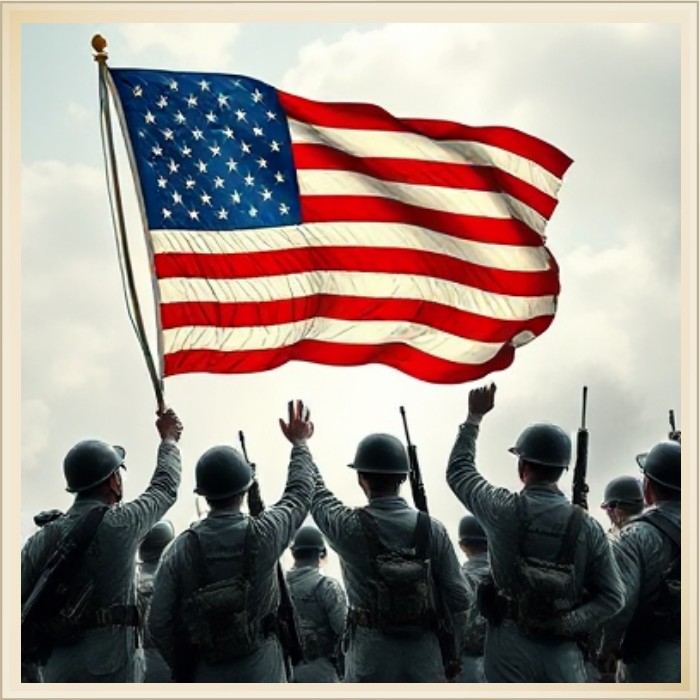
Few documents capture that moment better than Command Performance’s Victory Extra of August 14, 1945, hosted by Bing Crosby. It’s a time capsule of a nation exhaling, a program that balances solemn reflection with the buoyant entertainment that helped carry people through the war years.
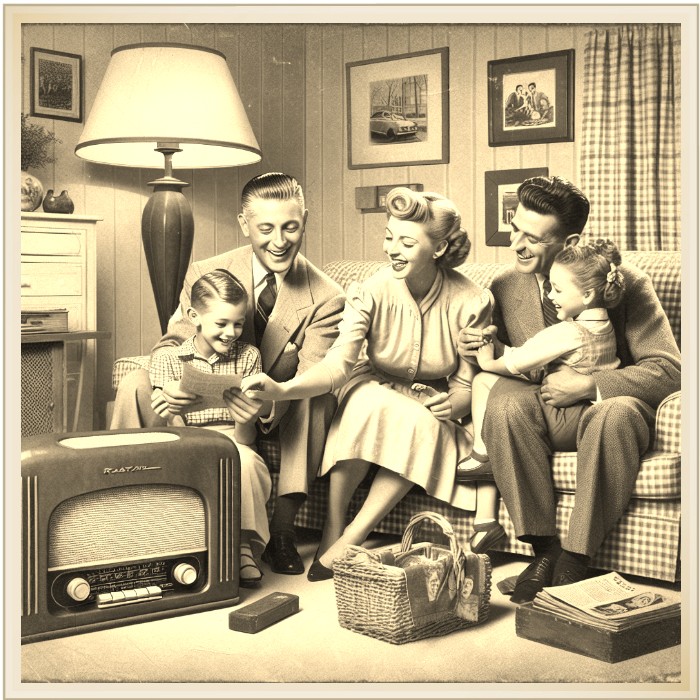
Command Performance was the Armed Forces Radio Service’s flagship variety show, built around a simple promise to the troops: if you want it, you’ll get it. Week after week, the biggest names in American entertainment donated their time to sing, joke, and speak directly to servicemen and women across the globe. The Victory Extra was the culmination of that mission—a celebratory broadcast created in the first hours after the news of Japan’s surrender, when city streets erupted, church bells rang, and families clustered even closer to their radios.
With Bing Crosby at the helm, the tone was pitch-perfect. Crosby had been one of the war’s most familiar voices, a steady, unforced presence who seemed to know just when to lift spirits and when to let silence say what words could not. On the Victory Extra, he threads that same needle, welcoming listeners into a shared space where joy doesn’t cancel out remembrance. The program acknowledges the cost of victory while embracing the uncontainable relief of peace—a delicate balance that feels as right today as it did then.
Just take a look at the amazing list of stars making an appearance in this ninety minute special; Dinah Shore, Jimmy Durante, Bette Davis, Marlene Dietrich, Burgess Meredith, Jose Iturbi, Ginny Simms, Frank Sinatra, Lucille Ball, Cary Grant, Loretta Young, Lena Horne, Johnny Mercer, Edward G. Robinson, Orson Welles, Danny Kaye, Herbert Marshall, Claudette Colbert, and Ed Gardner.
Musically, the show unfolds like a map of American feeling in August 1945. There are tender songs that catch the lump in the throat like BIng's famous, What America Means To Me, and lively tunes that invite a smile or a dance, often within minutes of each other. The arrangements are crisp, the bands tight, and the singers assured—professionals at the top of their craft stepping forward not to hog the spotlight but to contribute to a communal celebration. Between numbers, quick-witted sketches provide humor without cynicism, the kind of comedy that recognizes people have earned the right to laugh again.
What makes the Victory Extra especially compelling is how it distills the essence of radio’s golden age. There are no ads intruding on the mood, no hard sell—only a sense of service. You can hear the intimacy that radio enabled: the feeling that a performer is speaking right to you, whether you’re back home in the States or still deployed in the Pacific. That intimacy mattered. During the war, radio delivered news faster than print and more personally than film; on V-J Day, it became both the wire service of history and the soundtrack of jubilation.
It’s also a document of transition. The broadcast looks backward with gratitude—to those who served, those who worked on the home front, and those who did not return—and forward to the responsibilities of peace. Though the show is celebratory, it’s not triumphalist. That restraint reflects a wider national mood in that first flush of victory: relief and hope tempered by memory. The war was over; the work of rebuilding—internationally and at home—was just beginning.
Listening now, several details stand out. The pacing feels generous by modern standards, allowing songs to breathe and laughter to linger. The orchestras and vocalists are unhurried, confident that the audience is ready to listen. The humor is sly but kind, free of the sharp edges that would come to define later eras. And above all, there’s a palpable sense of togetherness—performers, announcers, and listeners all contributing to one collective moment.
For those who cherish classic radio, the Victory Extra is a masterclass in production under pressure: assembled rapidly, yet polished; celebratory, yet grounded; star-studded, yet cohesive. For those coming to it fresh, it’s a vivid introduction to why radio meant so much during the war. You don’t need footnotes to understand what you’re hearing. The emotion carries across the decades.
Marking eight decades since the war’s end, revisiting this broadcast is more than an exercise in nostalgia. It’s a reminder of how culture helps societies navigate turning points—how a song can both console and cheer, how a joke can release tension without trivializing sacrifice, and how a familiar voice can make an extraordinary day feel comprehensible. In an age of on-demand everything, there’s still something powerful about an event that millions experienced together, in real time, from living rooms and barracks and crowded city sidewalks.
If you cue up Command Performance’s Victory Extra today, consider listening the way people did then: with others, if you can. Let the opening moments set the tone. Notice how gratitude and hope are woven into every introduction and refrain. Hear the care with which each artist offers not just a performance, but a gift. It’s an hour and half that earns its smiles and its quiet pauses, and it remains one of the most evocative audio portraits of a nation at peace, at last.
Eighty years later, the broadcast’s grace and spirit still resonate—an evening of thoughtful contemplation and joyful listening, exactly as promised.