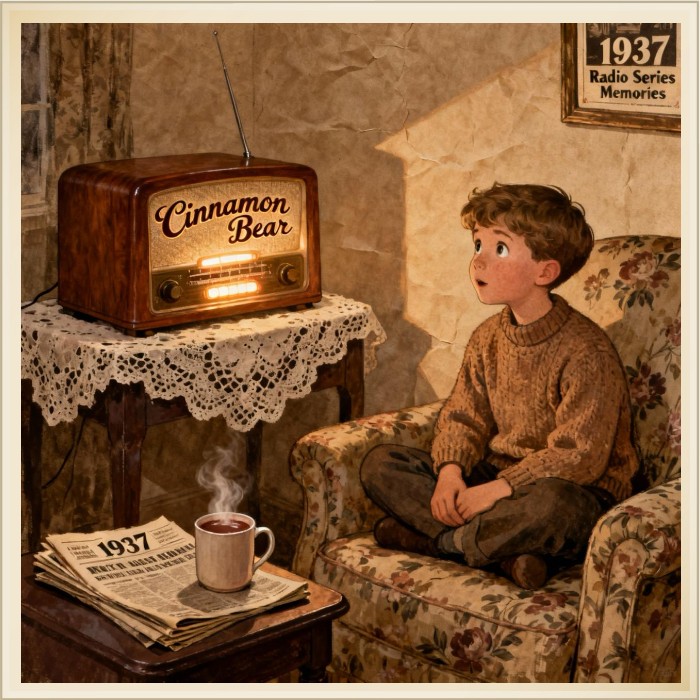
This episode of Recollections At 30 not only captured a pivotal point in aviation history but also showcased the unique power of radio to convey the raw emotion of tragic events.
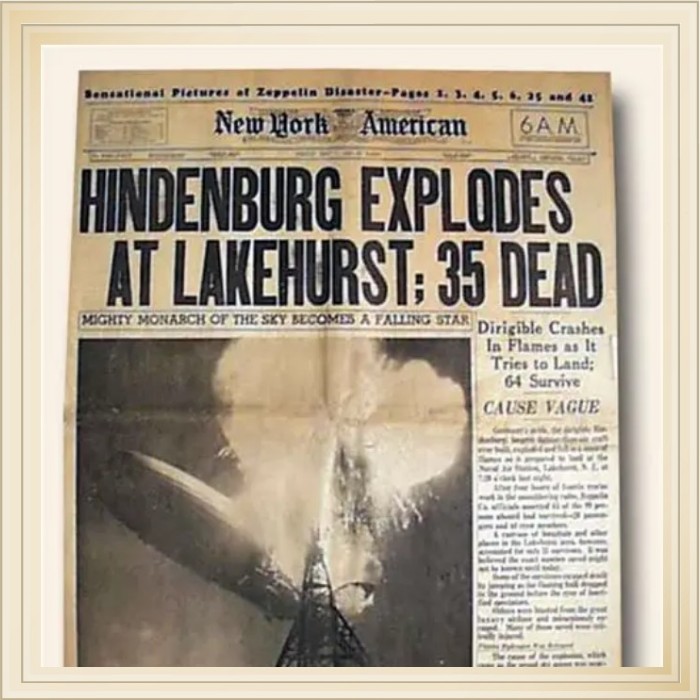
The Hindenburg, a majestic German dirigible, was scheduled to commemorate the first anniversary of transatlantic air service when disaster struck on the night of May 6, 1937. What was intended to be a routine landing turned into chaos as the airship caught fire. Herbert Morrison, a WLS Chicago announcer dispatched to Lakehurst, New Jersey, was there to document what would soon become one of the most haunting broadcasts in history.
Morrison’s voice is forever etched in the annals of radio, as he transformed from a calm reporter to a witness overwhelmed by the unfolding tragedy. His chilling words, “Oh, the humanity!” encapsulated not only the horror he was witnessing but also resonated deeply with listeners who felt the weight of loss. As he struggled to maintain his composure, his emotional turmoil made listeners feel as if they were standing beside him amidst the flames. This was not just a news report; it was a deeply human experience, capturing the fears and heartbreak that accompanied such a catastrophic moment.
The choice to air this particular episode during NBC's anniversary was a poignant reminder of the network's historical role in documenting significant events. Recollections At 30 allowed listeners both young and old to reflect on how radio has historically served as a vital medium for capturing the essence of life's most dramatic moments.
As Ed Herlihy, the host, guided audiences through this retrospective, he provided context that elevated Morrison’s emotional broadcast into a broader historical narrative. The episode seamlessly intertwined audio from that fateful night with insightful commentary, reminding us of the importance of preserving historical moments. The legacy of Morrison’s report is not merely in its content but in its ability to evoke a sense of shared humanity across time.
In an era of instant digital communication, it is easy to overlook the profound impact of radio in shaping public perception. The tragedy of the Hindenburg disaster and its subsequent coverage exemplifies how radio brought immediacy and intimacy to reporting, connecting listeners to events in real-time with all the associated drama and raw emotion.
As we reflect on this poignant episode from Recollections at 30 we are reminded of the irreplaceable value of these recordings. They serve not only as historical documents but also as a testament to the human spirit in moments of crisis. The Hindenburg disaster remains a crucial chapter in both aviation and broadcasting history, reinforcing the role of media as a storyteller of life’s most significant moments.
As you listen to this episode, allow yourself to feel the weight of those words and the gravity of that night—it's a journey back in time that highlights not just the mechanical failures of a grand airship, but the fragility of life itself, and the immense power of the human voice in recounting such experiences.