On May 28, 1938, the Columbia Workshop aired Irwin Shaw's revolutionary anti-war play Bury the Dead – a powerful testament to the human cost of conflict that resonates just as profoundly today.
Shaw's stark allegory presents us with six dead soldiers who refuse to be buried, standing up in their graves and demanding to be heard. "We're not really different from you," one tells the living. "We're dead. That's all." Their simple refusal - "We don't want to be buried" - becomes a profound act of resistance against war's machinery.
What makes Bury the Dead so devastating is its unflinching portrayal of war's futility. As one soldier laments, "A life for four yards of bloody mud." Another, only twenty, cries out: "I spent 20 years practicing to be a man. And then they killed me." These voices cut through patriotic platitudes to reveal the raw waste of human potential.
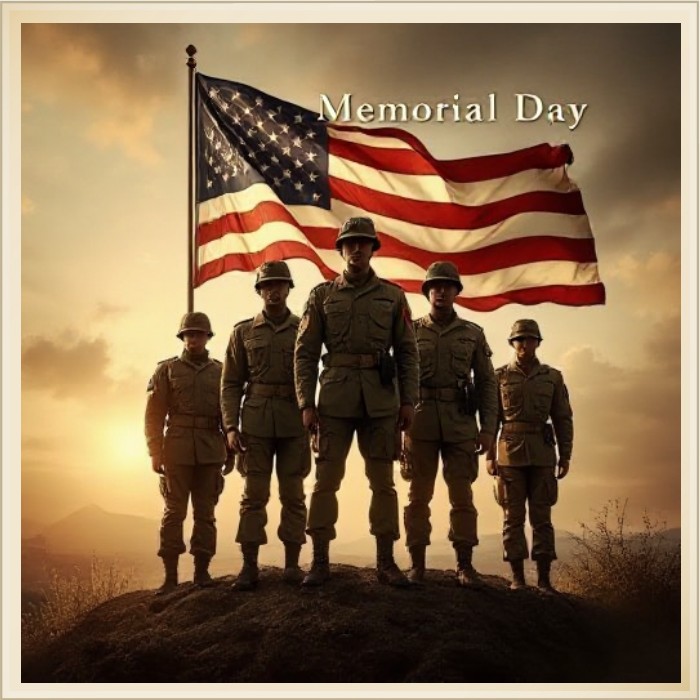
On Memorial Day, we rightfully honor sacrifice. But true honor requires honest reflection. The soldiers in Shaw's play don't seek glory – they seek acknowledgment of the full cost of war. They stand as witnesses not only to their own truncated lives but to the broken families, unfulfilled dreams, and squandered futures left in war's wake.
The play's timing was prophetic, airing as global tensions were building toward another world war. Its opening news bulletin reported, "This morning in Canton, China, Japanese bombers killed 600 and injured nearly a thousand men, women, and children." Within a year, Europe would erupt in flames, and America would soon follow.
Today, as conflicts rage across the globe, Bury the Dead reminds us that behind every casualty statistic stands a human being with hopes, fears, and connections – a person who, like the young soldier in the play, "hadn't done anything... hadn't seen anything."
This Memorial Day, as we place flags and flowers on graves, let us also heed the play's ultimate message when the dead finally rise and the living join them: "Once they've started, you can never stop them." Let this be our commitment – not just to honor those who have fallen, but to work tirelessly toward a world where fewer young people are asked to make that ultimate sacrifice.
For the most profound respect we can show our fallen heroes is to ensure their numbers grow no larger.