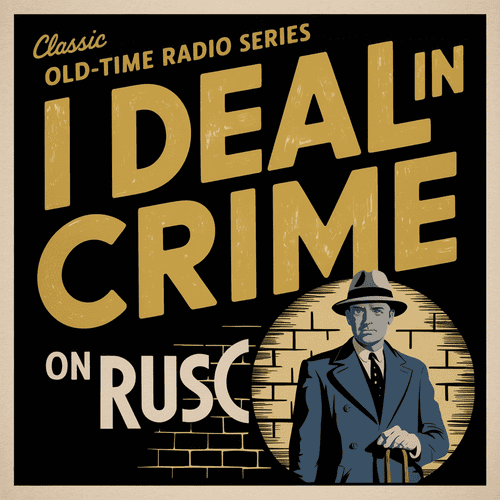
I Deal In Crime
I Deal in Crime was an American old-time radio detective drama that captivated audiences with its thrilling tales of mystery and intrigue. The series aired from January 21, 1946, to September 4, 1948, first on ABC and later on the Mutual Broadcasting System. This gripping show followed the adventures of private detective Ross Dolan, a seasoned investigator who returned to his profession after serving in the Navy during World War II.
The premise of I Deal in Crime centered around Ross Dolan, a 10-year veteran of the private investigation field. Dolan’s cases often involved murders, and he frequently found himself at odds with the police as he worked to solve these complex mysteries. The show’s unique narrative style featured Dolan himself as the narrator, providing listeners with his personal insights and reactions to the clues as they unfolded throughout each episode.
Set against the backdrop of post-World War II America, I Deal in Crime offered a gritty and realistic portrayal of the detective genre. Dolan’s character, with his military background and years of experience, brought a hardboiled edge to the series that resonated with audiences of the time. His methods of finding clients through advertisements in The Chronicle and his standard fee of $25 per day plus expenses added to the authentic feel of the show.
Initially broadcast as a sustaining program, I Deal in Crime quickly gained popularity and attracted sponsorship from the Hastings company, a manufacturer of piston rings, in 1946. This sponsorship helped to solidify the show’s place in the competitive world of radio dramas.
The Stars
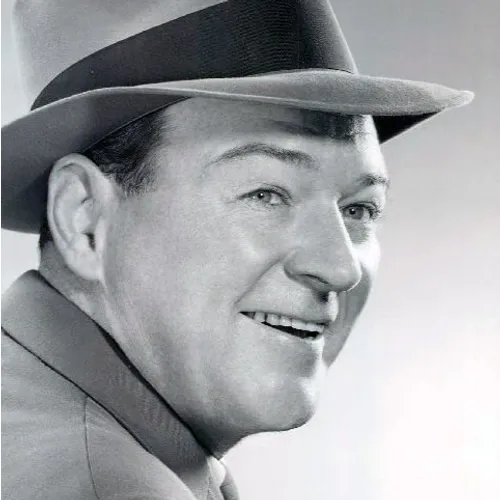
At the heart of I Deal in Crime was William Gargan, who brilliantly portrayed the show’s protagonist, Ross Dolan. Gargan’s performance as the tough, no-nonsense private eye was the driving force behind the series’ success. His ability to convey both the hardened exterior of a seasoned detective and the inner workings of Dolan’s mind as he pieced together clues made for compelling radio drama.
While Gargan was the only featured role on the program, the show boasted an impressive roster of supporting talent. Listeners could often hear the voices of several well-known radio actors bringing the various characters in Dolan’s world to life.
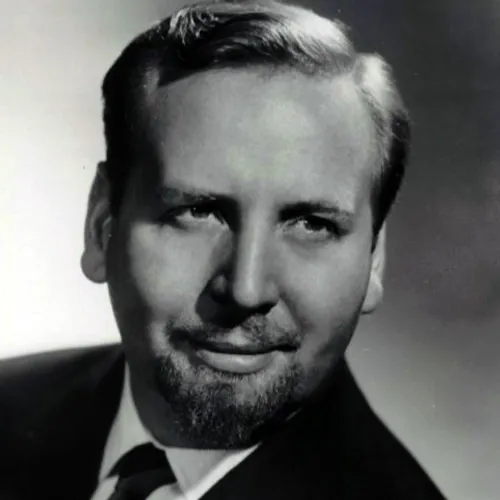
Among these talented performers were Hans Conreid, Ted de Corsia, Betty Lou Gerson, Mitzi Gould, Joseph Kearns, and Lurene Tuttle. Each of these actors lent their considerable skills to create a rich and diverse cast of characters that populated the world of I Deal in Crime.
Behind the scenes, the show benefited from the expertise of several industry professionals. Dresser Dahlstead served as the announcer, while Leonard Reeg took on the role of director.
The scripts were penned by Ted Hediger, whose writing brought Dolan’s cases to life with vivid detail and suspenseful plots.
Adding to the atmosphere of each episode was the music of Skitch Henderson and his orchestra, which helped to set the mood and heighten the drama of Dolan’s investigations.
Key Dates
- January 21, 1946: I Deal in Crime made its debut on the ABC network, introducing listeners to the world of Ross Dolan and his detective adventures.
- 1946: The Hastings company began sponsoring the broadcasts, marking a significant milestone in the show’s commercial success.
- 1947: The series underwent a title change, becoming known as Ross Dolan, Detective. This rebranding likely aimed to emphasize the central character and his profession more directly.
- October 18, 1947: The show’s run on ABC came to an end, but its popularity ensured it would not be off the air for long.
- October 25, 1947: Just a week after leaving ABC, I Deal in Crime found a new home on the Mutual Broadcasting System, where it would continue to entertain audiences for nearly another year.
- September 4, 1948: The final episode of I Deal in Crime aired, bringing the series to a close after more than two and a half years of thrilling radio drama.
Other Information
Character Background: Ross Dolan’s character was crafted with a rich backstory that added depth to the series. As a private investigator with a decade of experience under his belt, Dolan’s return to civilian life after serving in the Navy during World War II provided an interesting angle to his character. This background likely resonated with many listeners who had similar experiences or knew someone who had served in the war.
Narrative Style: One of the unique aspects of I Deal in Crime was its use of first-person narration. Ross Dolan himself guided listeners through each case, sharing his thoughts and reactions to the clues as they emerged. This intimate storytelling approach allowed the audience to feel as if they were right alongside Dolan, piecing together the mystery in real-time.
Business Details: The show provided realistic details about the life of a private investigator in the late 1940s. Dolan’s method of finding clients through newspaper advertisements and his standard fee of $25 per day plus expenses added a layer of authenticity to the series. These details helped to ground the show in reality, despite its often dramatic and suspenseful plots.
Network Changes: The fact that I Deal in Crime moved from ABC to Mutual in 1947 is noteworthy. Such network changes were not uncommon in the golden age of radio, but they often indicated a show’s popularity and ability to attract a dedicated audience. The seamless transition between networks, with only a week’s gap in broadcasting, suggests that the show had a strong following that the Mutual Broadcasting System was eager to capture.
Title Change: The decision to rename the show Ross Dolan, Detective in 1947 is an interesting piece of the series’ history. This change might have been an attempt to make the show’s content more immediately clear to potential new listeners, or it could have been part of a broader rebranding strategy as the show moved to a new network.
Musical Contribution: The involvement of Skitch Henderson and his orchestra in providing music for the show is a notable aspect of I Deal in Crime. Henderson was a well-known bandleader and composer, and his contributions likely added significantly to the show’s atmosphere and production value.
Legacy: While I Deal in Crime may not be as widely remembered as some other detective series from the golden age of radio, it represents an important part of the genre’s history. The show’s blend of post-war themes, hardboiled detective tropes, and first-person narration created a unique listening experience that helped to evolve the detective drama format on radio.
In conclusion, I Deal in Crime stands as a fascinating example of post-World War II radio drama. With its compelling lead character, talented supporting cast, and intriguing mysteries, the show provided entertainment and suspense to audiences for over two years. Its legacy lives on as a noteworthy entry in the rich history of American old-time radio.
Cast & Crew


Ratings & reviews
Loading reviews…
Episodes

Ned here. Forty-odd years I've spent with these old shows — and if you took to I Deal In Crime, I'd wager my last valve you'll love this lot.