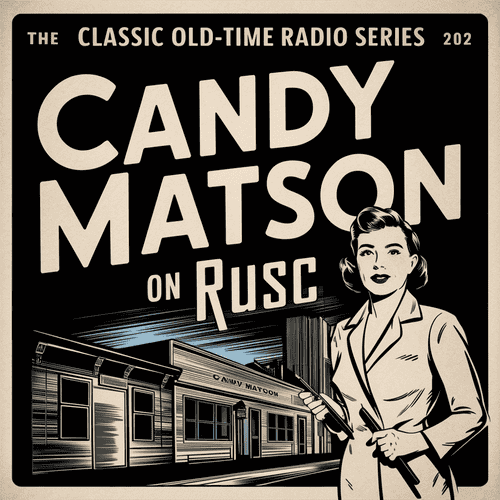
Candy Matson was a groundbreaking detective drama that graced the airwaves of NBC West Coast from June 29, 1949, to May 20, 1951. This innovative series stood out in the landscape of old-time radio for its portrayal of a strong, independent female protagonist in a genre typically dominated by male characters.
Set against the backdrop of San Francisco, Candy Matson followed the adventures of its titular character, a savvy and quick-witted private investigator who tackled cases with a unique blend of charm and determination. Candy’s penthouse on Telegraph Hill served as her base of operations, providing a glamorous touch to the gritty world of crime-solving.
What set Candy Matson apart was not just its female lead, but the character’s portrayal as a competent and fearless detective “without a trace of squeamishness.” This refreshing take on the detective genre challenged conventions and offered listeners a new kind of hero to root for.
The show’s creator, Monty Masters, initially conceived the series with himself in mind as the lead, planning for a male private detective. However, it was his mother-in-law who suggested the groundbreaking change to a female protagonist, a decision that would define the show’s unique identity in the world of radio drama.
The Stars
At the heart of Candy Matson was Natalie Masters, who brought the titular character to life with her vibrant performance. Natalie, the wife of creator Monty Masters, infused Candy with a perfect blend of wit, charm, and determination that made the character instantly memorable.
Supporting Candy in her adventures was a cast of colorful characters that added depth and intrigue to the series. Jack Thomas voiced Rembrandt Watson, Candy’s best friend, who was notably portrayed as a veiled gay character - a progressive element for its time. Henry Leff played Detective Ray Mallard, Candy’s love interest, adding a romantic subplot to the crime-solving narrative.
Dudley Manlove served as the show’s announcer, his distinctive voice setting the tone for each episode. The supporting cast frequently included talented actors such as Helen Kleeb, John Grober, Mary Milford, and Hal Burdick, who brought various minor characters to life, enriching the world of Candy Matson.
Key Dates
- June 29, 1949: Candy Matson makes its debut on NBC West Coast, introducing listeners to its unique brand of detective drama.
- 1950: The show receives the San Francisco Examiner’s Favorite Program Award, a testament to its growing popularity and critical acclaim. This award was presented during the broadcast of the episode “Symphony of Death,” marking a high point in the series’ run.
- May 20, 1951: The final episode of Candy Matson airs, concluding the series with a surprising twist as Ray proposes to Candy, who accepts and retires from her detective career.
- September 1952: A series revival audition show is produced, hinting at attempts to bring Candy Matson back to the airwaves after its initial run.
-
Other Information
Candy Matson was not just a hit with critics; it resonated deeply with its audience. The show’s popularity was dramatically illustrated following a 1950 episode that left listeners on the edge of their seats. In this particular installment, Candy found herself in a perilous situation, reciting the 23rd Psalm as her aircraft plummeted towards a lake. The episode’s cliffhanger ending prompted an unprecedented response from concerned fans. Within moments of the show concluding, the switchboard at Radio City lit up “like a Christmas tree,” with over 800 calls flooding in from listeners anxious to learn the fate of their beloved heroine.
The series was produced at San Francisco Radio City, embedding the show deeply in the culture and atmosphere of the city it portrayed. This local connection likely contributed to its authentic feel and popularity among Bay Area listeners.
Candy Matson was ahead of its time in many ways, not least in its portrayal of diverse characters. The inclusion of Rembrandt Watson, Candy’s best friend, as a subtly gay character was a bold move for 1950s radio, reflecting a progressive mindset that set the show apart from its contemporaries.
The show’s theme song was fittingly titled “Candy,” further cementing the character’s identity in the minds and hearts of listeners. Despite its relatively short run of less than two years, Candy Matson left an indelible mark on the landscape of old-time radio. Its influence can be seen in later portrayals of strong female characters in detective fiction across various media.
Sadly, like many radio shows of its era, Candy Matson has not survived in its entirety. Of the 92 episodes produced, only 14 are known to exist today, along with the original audition show and the 1952 revival attempt. This scarcity has only added to the show’s mystique and value among old-time radio enthusiasts.
Candy Matson remains a shining example of innovative storytelling in the golden age of radio. Its blend of hard-boiled detective drama with a progressive, female-led cast continues to captivate listeners and scholars of radio history alike. The show’s legacy lives on as a testament to the power of breaking conventions and the enduring appeal of a well-crafted mystery.