Jack Pearl
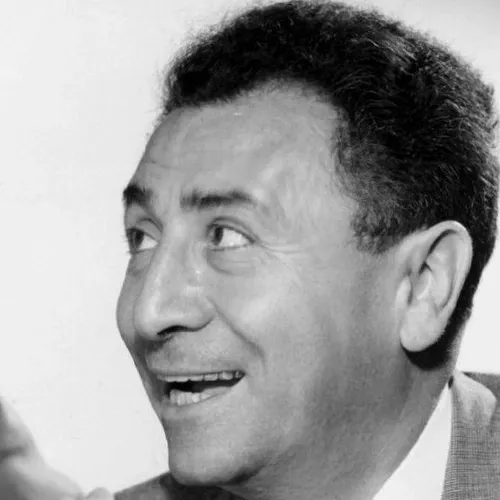
In the golden age of radio, few performers captured the imagination of American audiences quite like Jack Pearl. A master of comedic timing and character work, Pearl became a household name through his iconic portrayal of the legendary Baron Munchausen, a character that would define his career and leave an indelible mark on early broadcast entertainment.
From Vaudeville Roots to Radio Stardom
Born Jack Perlman on October 29, 1894, in New York City, Pearl's journey into entertainment began on the vibrant stages of vaudeville. His early career saw him performing in numerous Broadway musical revues throughout the 1920s and 1930s, including The Dancing Girl, Topics of 1923, and the Ziegfeld Follies of 1931. These performances laid the groundwork for his eventual breakthrough in radio. Pearl's transition from stage to broadcasting was marked by the introduction of his most famous character, Baron Munchausen, in 1932. Loosely based on the literary character, Pearl crafted a comedic persona characterized by an exaggerated German accent and wildly improbable storytelling. His signature catchphrase, "Vass you dere, Sharlie?" (Was you there, Charlie?) quickly became part of the national lexicon, delighting listeners with its comedic delivery.
The Height of Radio Success
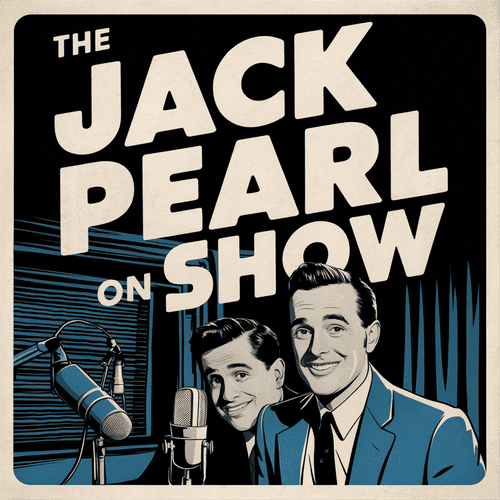
The early 1930s represented the pinnacle of Jack Pearl's radio career. He hosted several popular radio programs, including his own show which ran from late 1936 through early 1937, sponsored by Raleigh and Kool Cigarettes. His unique comedic style, centered around the Baron Munchausen character, made him a radio sensation. Pearl's popularity extended beyond radio waves. In 1933, he starred in the feature film Meet the Baron, which capitalized on his radio persona. The film featured Pearl alongside other notable performers of the era, further cementing his status as a prominent entertainment figure.
Navigating Changing Entertainment Landscapes
Despite his initial success, Pearl found the subsequent years challenging. The cancellation of his second radio series marked a turning point in his career. While he continued to work in radio with shows like Jack and Cliff (1948) and The Baron and the Bee (1952), he never fully recaptured the widespread popularity of his mid-1930s peak. Interestingly, Pearl's impact extended beyond performance. In 1934, a juvenile novel titled Jack Pearl as Detective Baron Munchausen was published, based on his radio scripts—a testament to the character's cultural significance.
Legacy and Recognition
Jack Pearl's contributions to entertainment were ultimately recognized. On February 8, 1960, he received a star on the Hollywood Walk of Fame for his radio work—a fitting tribute to his pioneering comedic performances. His unique character work and comedic timing influenced generations of performers who followed. Pearl passed away on December 25, 1982, in New York City, leaving behind a rich legacy in American entertainment. He was not just a performer, but a crucial figure in the development of radio comedy, helping to shape the medium's humor and style.
Works and Appearances
Radio
- Baron Munchausen Show (1932-1934)
- The Jack Pearl Show (1936-1937)
- Jack and Cliff (1948)
- The Baron and the Bee (1952)
Film
- Two Flaming Youths (1927)
- Meet the Baron (1933)
- Hollywood Party (1934)
Broadway Musical Revues
- The Dancing Girl (1923)
- Topics of 1923 (1923-1924)
- A Night in Paris (1926)
- Artists and Models (1927-1928)
- Ziegfeld Follies of 1931
- Pardon My English (1933)