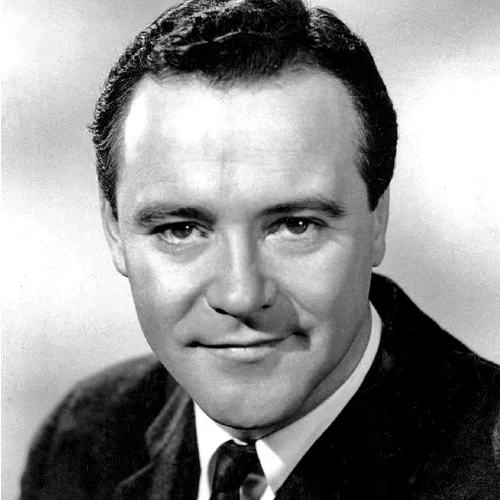
Jack Lemmon
Jack Lemmon's journey from a young, aspiring actor to a Hollywood legend began in the vibrant world of radio broadcasting. Before becoming an iconic film star, Lemmon cut his teeth in the competitive New York entertainment scene, using radio as his initial springboard to success.
Early Beginnings and Radio Days
In the late 1940s, Jack Lemmon emerged as a versatile young performer navigating the bustling entertainment landscape of New York City. After graduating from Harvard University and serving briefly in the U.S. Navy, Lemmon set his sights on an acting career. Radio provided the perfect initial platform for his emerging talents. During this period, Lemmon became a fixture in the radio drama and commercial landscape. He appeared in numerous radio serials, including the popular daytime soap opera The Brighter Day, which ran from 1948 to 1962. These early radio performances allowed Lemmon to hone his craft, developing the comedic timing and dramatic range that would later define his film career. Commercial work also played a significant role in Lemmon's radio experience. Throughout the late 1940s and early 1950s, he lent his distinctive voice to various product advertisements, gaining valuable performance experience and earning a modest living while pursuing his acting ambitions.
Transition to Television and Stage
By 1953, Lemmon's radio work began to diminish as television and stage opportunities expanded. His transition was marked by appearances in live television shows and Broadway productions. During this time, he caught the attention of talent scouts who recognized his exceptional performing abilities. His breakthrough came when he was spotted by a Columbia Pictures talent scout, shifting his focus from radio to film. In 1954, Lemmon signed with Columbia Pictures, marking the beginning of his legendary film career. His first leading role in the comedy It Should Happen to You launched him into Hollywood stardom.
Developing a Unique Performance Style
The skills Lemmon developed during his radio days—vocal versatility, precise timing, and the ability to convey complex emotions through sound—translated seamlessly to his film performances. Directors like Billy Wilder praised Lemmon's ability to balance comedy and drama, a talent likely refined during his radio years. Lemmon's radio background contributed to his reputation as a "ham" actor, a description Wilder used affectionately. His ability to modulate his voice and create vivid character interpretations was a direct result of his early radio training.
Legacy of a Multifaceted Performer
While Jack Lemmon would become best known for his film work, his radio career represented a crucial formative period. The discipline, performance skills, and professional network he developed during those early years were instrumental in shaping his subsequent success. Lemmon's journey from radio performer to Hollywood icon demonstrates the interconnected nature of mid-20th century entertainment mediums. His ability to adapt and excel across different platforms made him a truly remarkable performer.
Works and Appearances
Radio
- The Brighter Day (1948-1962) - Various roles
- Numerous unnamed radio dramas and commercials (1948-1953)
Television
- Multiple live television show appearances (1950s)
- Emmy-nominated performances in various TV productions
Film
- It Should Happen to You (1954) - First leading film role
- Some Like It Hot (1959)
- The Apartment (1960)
- Save the Tiger (1973) - Academy Award-winning performance
Theater
- Broadway debut in a 1953 comedy production
- Tony Award nominations for stage performances
Other Media
- A Twist of Lemmon - Biographical play written by his son Chris Lemmon
Jack Lemmon's multifaceted career serves as a testament to the interconnected nature of mid-20th century entertainment, showcasing how radio provided a crucial training ground for performers who would go on to define American cinema.