Irving Ravetch
Irving Ravetch's journey through the entertainment world began in the vibrant landscape of radio broadcasting before he became a renowned Hollywood screenwriter. His early career in radio would set the stage for a remarkable storytelling career that would span decades.
Early Radio Days and Artistic Beginnings
Irving Ravetch's initial foray into professional writing came through radio, where he honed his craft by creating "patter" - the conversational dialogue that Western singers would deliver between musical numbers. This unique skill demonstrated his early talent for crafting engaging, rhythmic language that would later serve him brilliantly in screenwriting.
Transition from Radio to Screen
After a brief stint in the army - from which he was honorably discharged due to asthma - Ravetch was accepted into MGM's Junior Writing Programme. Here, he wrote short subjects, including several installments of the "Crime Does Not Pay" series. His radio background had prepared him for the art of concise, impactful storytelling.
Radio Adaptation Work
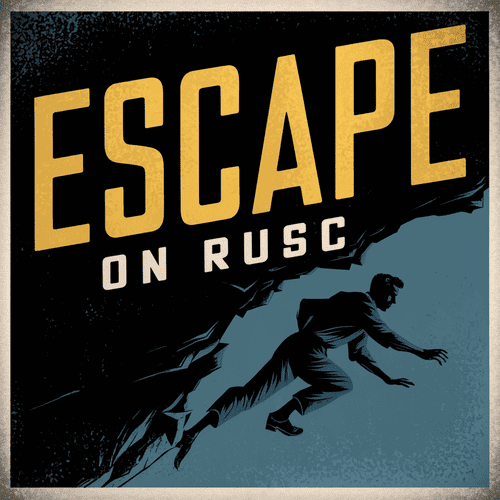
While the contexts provided don't extensively detail Ravetch's radio work, they reveal an interesting connection to radio drama. In the Escape radio program, Ravetch adapted several literary works for broadcast. For instance, he adapted "The Fourth Man" by John Russell and "The Most Dangerous Game" by Richard Connell for the show in 1947.
Collaborative Storytelling
Ravetch's radio experience likely influenced his later collaborative approach to screenwriting. With his wife Harriet Frank Jr., he would go on to adapt numerous literary works for film, often radically reimagining source material. As Ravetch himself noted, they would often use an "outside story" merely as a spark, potentially salvaging only "a character, perhaps, or a situation, or a few strong scenes" to build an entirely new drama.
Legacy of a Storyteller
From writing radio patter to becoming an Oscar-nominated screenwriter, Irving Ravetch's journey illustrates the interconnected nature of mid-20th century media. His radio roots provided a foundation for a career that would see him adapt works by authors like William Faulkner, create memorable screenplays, and collaborate with legendary directors like Martin Ritt.
Works and Appearances
Radio Adaptations
- Escape Radio Program Adaptations:
- "The Fourth Man" (1947)
- "The Most Dangerous Game" (1947)
- "The Time Machine" (1948)
Screenwriting
- Living in a Big Way (1947)
- The Outriders (1950)
- The Long, Hot Summer (1958)
- Hud (1963)
- Norma Rae (1979)
- Stanley and Iris (1990)
Irving Ravetch passed away on September 19, 2010, leaving behind a rich legacy of storytelling that bridged the worlds of radio and cinema.