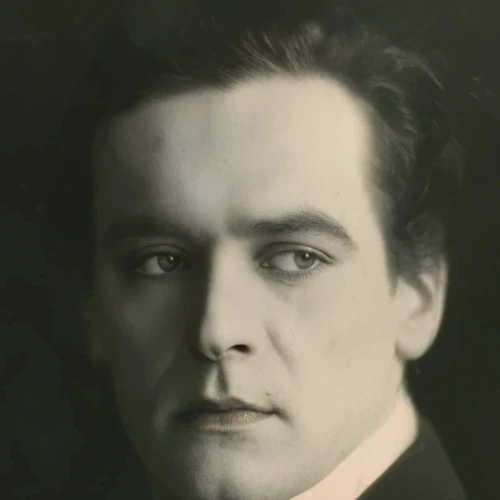
Ian Keith
A veteran American character actor of the legitimate theater, and appeared in a variety of colorful roles in silent features of the 1920s. His stage training made him a natural choice for the new "talking pictures"; he played John Wilkes Booth in D. W. Griffith's first talkie, Abraham Lincoln.
In the vibrant landscape of mid-20th century entertainment, Ian Keith emerged as a multifaceted performer whose talents spanned stage, screen, and the airwaves. Born Keith Ross on February 27, 1899, in Boston, Massachusetts, Keith would become a prolific character actor whose rich voice and dynamic presence made him a memorable figure in radio and beyond.
Early Years and Theatrical Beginnings
Growing up in Chicago, Ian Keith showed an early passion for performance. At the Francis Parker School, he demonstrated his theatrical potential by playing Hamlet at just 16 years old. This early exposure to dramatic arts would set the stage for a remarkable career that would see him become a versatile performer across multiple entertainment mediums. In 1919, Keith began his professional acting journey with the Copley Repertory Theatre in Boston, initially performing under his birth name, Keith Ross. His Broadway career soon followed, with notable performances in productions like Saint Joan (1956), Edwin Booth (1958), and The Andersonville Trial (1959), showcasing his remarkable range and dramatic capabilities.
Radio and Broadcast Career
Keith's transition into radio was a natural progression for an actor of his talents. He became a familiar voice in the golden age of radio, appearing in various dramatic productions and soap operas. Most notably, he played Emmett Dayton in a radio soap opera, demonstrating his ability to bring characters to life through sound alone. His radio work was characterized by versatility. Keith could seamlessly transition between dramatic roles, comedic characters, and everything in between. His florid portrayal of the comic-strip character "Vitamin Flintheart" was particularly memorable, a role he enjoyed so much that he reprised it in multiple productions.
Crossover into Film and Television
While radio was a significant part of his career, Keith was equally prolific in film and television. He became a favorite of legendary director Cecil B. DeMille, appearing in numerous epic films. His screen roles were diverse, ranging from tough military characters like Admiral Burns in a sci-fi epic to supporting roles in various genres. In television, Keith continued to showcase his versatility. He starred in the premiere episode of a television series in 1950 and even made a notable appearance in a Shakespearean sequence in a biopic. His ability to adapt to different mediums made him a true entertainment professional of his era.
Legacy and Personal Life
Beyond his professional achievements, Keith's personal life was equally colorful. He was married four times, including marriages to Blanche Yurka, Ethel Clayton, Fern Andra, and Hildegarde Pabst. His final marriage to Hildegarde Pabst lasted until his death in 1960. Ian Keith passed away on March 26, 1960, in New York City, leaving behind a rich legacy of performance across stage, radio, and screen. His career exemplified the versatility and adaptability required of performers in the mid-20th century entertainment landscape.
Works and Appearances
Radio
- Emmett Dayton in unnamed soap opera
- Various dramatic and comedic radio productions (1940s-1950s)
Stage
- Saint Joan (1956)
- Edwin Booth (1958)
- The Andersonville Trial (1959)
- Multiple Broadway productions between 1921-1959
Film
- Over 50 film roles from 1924-1956, including:
- Dick Tracy's Dilemma (1947)
- Various Cecil B. DeMille productions
- Roles in westerns, dramas, and comedies
Television
- Premiere episode of an unnamed television series (1950)
- Various television appearances in the 1950s
Ian Keith's multifaceted career serves as a testament to the dynamic and interconnected nature of mid-20th century entertainment, where performers seamlessly moved between radio, stage, and screen.