Howard Da Silva
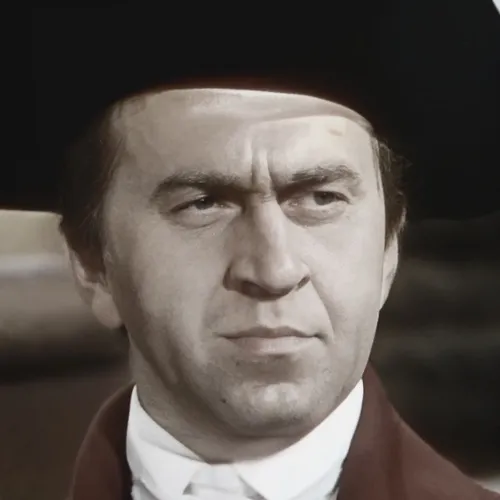
Howard da Silva was a multifaceted performer whose remarkable career spanned radio, stage, film, and television, making him a significant figure in mid-20th century American entertainment. Known for his versatility and distinctive voice, da Silva navigated the challenging landscape of performing arts during one of the most tumultuous periods in American cultural history.
Early Life and Artistic Beginnings
Born Howard Silverblatt on May 4, 1909, in Cleveland, Ohio, da Silva emerged from a working-class Jewish immigrant family. Before pursuing acting, he worked as a steelworker, demonstrating the resilience that would characterize his later career. His parents, both immigrants from the Russian Empire, instilled in him a strong work ethic and cultural awareness. His mother was particularly notable as a women's rights activist. Da Silva's artistic journey began when he studied acting with Harold Clurman at the Group Theatre starting in 1928. During this period, he changed his surname to da Silva for professional purposes, a common practice among performers of his era. His early stage work included significant productions like The Cradle Will Rock in 1938, where he played Larry Foreman, establishing himself as a powerful theatrical presence.
Radio and Performance Breakthrough
Radio became a crucial medium for da Silva's expanding career. From 1974 to 1977, he was a regular player in the popular radio thriller series, demonstrating his exceptional vocal talents. His ability to create compelling characters through voice alone made him a sought-after radio performer. Notably, da Silva provided linking narration for North American broadcasts of Doctor Who, helping American and Canadian audiences understand the serial storytelling format. His introductions became so familiar that they were later included as standard features on BBC DVD releases of early Tom Baker serials.
Navigating Hollywood's Challenging Landscape
Da Silva's career was significantly impacted by the Hollywood blacklist during the McCarthy era. In 1951, following his testimony where he repeatedly invoked his Fifth Amendment rights, he was effectively banned from feature films. His lead performance in one completed film was re-shot with another actor. Despite this professional setback, da Silva continued working in theater and eventually returned to film and television. He was cleared of charges in 1960 and gradually rebuilt his career, appearing in numerous productions that showcased his remarkable range.
Diverse Artistic Achievements
Beyond radio, da Silva was a celebrated stage and screen actor. He originated the role of Benjamin Franklin in the Broadway musical 1776, a performance that earned him significant acclaim. His film roles included portraying historical figures like Soviet leader Nikita Khrushchev and playing characters in classic films such as The Great Gatsby.
Legacy and Impact
Howard da Silva's career exemplified artistic resilience. He successfully transitioned between radio, stage, film, and television, maintaining his artistic integrity during one of the most politically challenging periods for performers. His work in Doctor Who narration, radio dramas, and numerous stage and screen productions solidified his reputation as a versatile and talented artist.
Works and Appearances
Radio
- CBS Radio Mystery Theatre (1974-1977): Regular performer
- Doctor Who (1970s): Linking narrator for North American broadcasts
Stage
- The Cradle Will Rock (1938): Larry Foreman
- 1776 (1969-1972): Benjamin Franklin
- Fiorello! (1959): Ben Marino (Tony Award nomination)
Film
- Abe Lincoln in Illinois (1940): Jack Armstrong
- The Great Gatsby (1949): Wilson
- The Great Gatsby (1974): Meyer Wolfsheim
- 1776 (1972): Benjamin Franklin
Television
- The Missiles of October (1974): Nikita Khrushchev
- The Private Files of J. Edgar Hoover (1977): Franklin D. Roosevelt
- Mommie Dearest (1981): Louis B. Mayer
Howard da Silva passed away on February 16, 1986, leaving behind a rich legacy of performance across multiple media platforms.