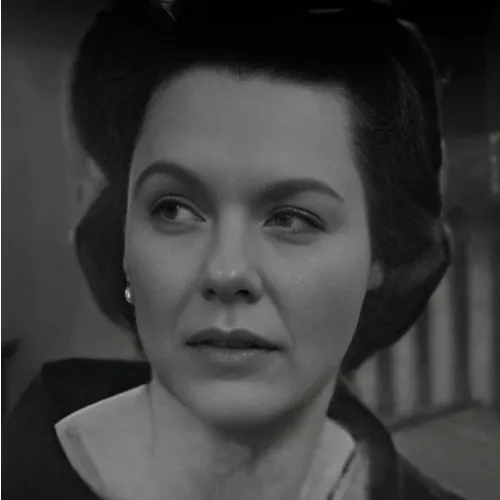
Helen Wagner
An American actress. Born in Lubbock, Texas, she is best known for her long-running role as Nancy Hughes McClosky on the soap opera As the World Turns. Wagner also played the role of Trudy Bauer during the initial TV years of Guiding Light in the early 1950s. She also appeared on the early soap Valiant Lady, as well as on 1950s primetime programs including The World of Mr. Sweeney, Mister Peepers, Inner Sanctum, and the Philco-Goodyear Playhouse.
Helen Wagner was more than just an actress; she was a television institution whose career spanned over half a century, making her one of the most enduring performers in broadcast history. Best known for her iconic role as Nancy Hughes on the long-running soap opera As the World Turns, Wagner became a beloved figure in American television, representing stability and continuity through changing cultural landscapes.
Early Life and Theatrical Beginnings
Born Helen Losee Wagner on September 3, 1918, in Lubbock, Texas, she was destined for a career in performance from an early age. Wagner studied music and drama at Monmouth College in Illinois, graduating in 1938 with a degree that would set the stage for her future career. Before becoming a television staple, she was a versatile stage actress, performing in Broadway productions like Sunny River and The Bad Seed.
Her early professional years were characterized by resourcefulness and determination. Wagner often worked as a church soloist to make ends meet, demonstrating the typical struggle of aspiring performers during that era. Her theatrical training and musical background provided a solid foundation for her future television career.
Breaking into Television
Wagner's transition into television came during the medium's formative years. In the early 1950s, she appeared in various television programs, including Guiding Light where she played Trudy Bauer Palmer, and Valiant Lady as Jane Lyman. These early roles helped her develop her craft in the emerging world of television drama.
Her breakthrough came in 1956 when she signed a 13-week contract for As the World Turns. Little did she know that this "temporary" role would define her entire career. Wagner spoke the show's very first line - "Good morning, dear" - a moment that would become legendary in television history.
The Legendary Nancy Hughes
For an unprecedented 54 years, Wagner portrayed Nancy Hughes McClosky, becoming the longest-running character in television history. Her character was the matriarch of the Hughes family, a role she played with remarkable consistency and warmth. Throughout the decades, she witnessed and portrayed the evolving dynamics of American family life.
Wagner's portrayal was so iconic that she was acknowledged for having the longest continuous run in a single role on television. Her character experienced significant life changes, including becoming a widow after her on-screen husband's death and later remarrying. Even in her later years, she remained an integral part of the show, appearing in pivotal storylines and the show's 50th-anniversary episode.
Legacy and Recognition
In recognition of her extraordinary career, Wagner was presented with a Lifetime Achievement Emmy in May 2004. Her contribution to television was not just about longevity, but about creating a sense of continuity and reliability for generations of viewers.
Tragically, Wagner passed away on May 1, 2010, at the age of 91, just weeks before As the World Turns taped its final episode. Many fans had hoped she would close the series with the symmetrical line "Good night, dear" - a poetic bookend to her first line in 1956.
Works and Appearances
Television
- Guiding Light (1952-1953) - Trudy Bauer Palmer
- Valiant Lady (1953-1954) - Jane Lyman
- As the World Turns (1956-2010) - Nancy Hughes McClosky
- The Web (1950-1951) - Various roles
- Starlight Theatre (1951) - Various roles
- Philco Television Playhouse (1951, 1954) - Various roles
Theater
- Sunny River - Broadway production
- The Bad Seed - Broadway production
Helen Wagner's career represents a remarkable chapter in television history, embodying the transition from stage to screen and becoming an enduring symbol of American daytime drama.