Harold Gray
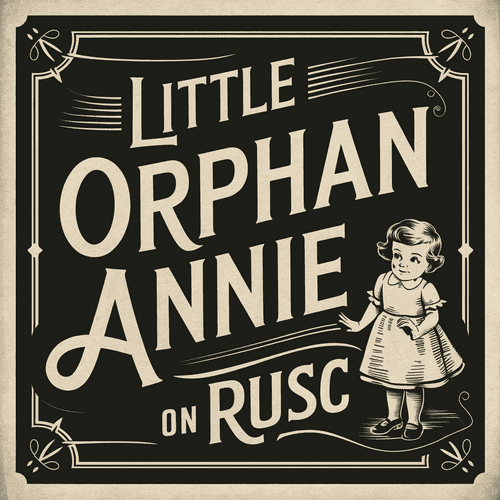
Harold Lincoln Gray was far more than just a comic strip artist; he was a cultural icon whose creation, Little Orphan Annie, transcended the printed page and became a significant part of American radio entertainment. Though primarily known for his groundbreaking newspaper comic strip, Gray's influence extended into the realm of radio broadcasting, creating a multimedia phenomenon that captured the hearts of millions.
Early Life and Artistic Beginnings
Born on January 20, 1894, in Kankakee, Illinois, Harold Gray emerged from a humble farming background that would profoundly shape his worldview. Growing up in rural Illinois and Indiana, Gray worked diligently to fund his education, even laboring in construction to pay for college. He graduated with an engineering degree in 1917, but his true passion lay in artistic expression. Gray's entry into the world of cartooning was not immediate. He sought advice from established cartoonist John T. McCutcheon, who helped him secure initial work as a reporter. During World War I, Gray served as a bayonet instructor, and upon discharge, he returned to the Chicago Tribune, where his artistic career would truly take flight.
The Birth of Little Orphan Annie
In 1924, Gray developed a comic strip initially titled Little Orphan Otto. However, the Chicago Tribune editor modified the name to Little Orphan Annie, launching the strip on August 5, 1924. What began as a simple comic quickly evolved into a complex narrative that reflected Gray's personal philosophy and societal observations. The strip was more than mere entertainment; it was a platform for Gray's political and social commentary. Throughout the 1920s and 1930s, Little Orphan Annie became a vehicle for expressing Gray's populist views, initially defending labor unions and later becoming more explicitly conservative in response to Franklin D. Roosevelt's New Deal.
Radio and Multimedia Expansion
Little Orphan Annie made a natural transition to radio, becoming a popular program that further expanded the character's cultural reach. The radio show, like the comic strip, maintained Gray's distinctive storytelling style and philosophical undertones. Films, radio broadcasts, and extensive merchandising transformed Gray into a multi-millionaire. Gray's characters, particularly Annie and Daddy Warbucks, were so vividly crafted that they became cultural archetypes. Critics compared his characterization skills to those of Charles Dickens, noting the memorable and lifelike quality of his protagonists.
Legacy and Cultural Impact
Harold Gray passed away on May 9, 1968, in La Jolla, California, leaving behind a remarkable legacy. Little Orphan Annie continued to be published until 2010, a testament to the enduring appeal of Gray's creation. His work reflected the changing social and political landscape of 20th-century America, making him not just a cartoonist, but a significant cultural commentator.
Works and Appearances
Radio
- Little Orphan Annie Radio Program (1930)
Comic Strips
- Little Orphan Annie (1924-2010)
- Maw Green (spin-off strip)
Films
- Multiple Little Orphan Annie film adaptations (1932, 1938)
Other Media
- Numerous merchandising products
- Ghostwriting for other comic strips
Harold Gray's multifaceted career demonstrates how a single creative vision can transcend traditional media boundaries, creating a lasting cultural phenomenon that resonates across generations.