H G Wells
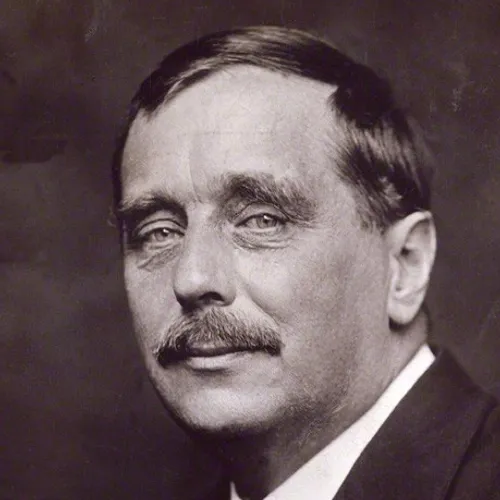
In the golden age of radio broadcasting, few literary figures left as profound a mark on the medium as H.G. Wells, a visionary writer whose imaginative works transcended the printed page and captivated audiences through dramatic radio adaptations. Known as the "Shakespeare of Science Fiction," Wells's stories became landmark productions that would reshape how audiences experienced storytelling.
Early Life and Literary Foundations
Herbert George Wells emerged as a groundbreaking author whose scientific romances would revolutionize speculative fiction. Born in 1866 in Bromley, Kent, Wells developed a keen interest in science and social commentary that would define his literary career. His novels weren't merely entertainment, but provocative explorations of human potential, technological advancement, and social transformation.
The War of the Worlds: A Radio Revolution
The most legendary moment in Wells's radio history came not directly from him, but through Orson Welles's infamous 1938 Mercury Theatre broadcast of The War of the Worlds. This adaptation transformed Wells's 19th-century novel into a contemporary American narrative, using realistic news bulletin techniques that caused unprecedented public panic.
The broadcast brilliantly demonstrated radio's power to blur the lines between fiction and reality. By presenting the Martian invasion as a live news event, the production shocked listeners who believed an actual extraterrestrial attack was occurring. This moment became a watershed in media history, highlighting the immense psychological impact of radio drama.
Comprehensive Radio Adaptations
Wells's works found fertile ground in radio adaptations across multiple decades. The BBC Radio Collection featured dramatizations of his most famous works, including:
- The Time Machine
- The War of the Worlds
- The Island of Dr. Moreau
- The Invisible Man
- The First Men in the Moon
These productions featured stellar casts including Robert Glenister, Bernard Cribbins, and Blake Ritson, bringing Wells's imaginative worlds to life through sound.
Legacy and Influence
Beyond science fiction, Wells was a multifaceted writer who explored social commentary, domestic comedies, and utopian visions. His radio works demonstrated his remarkable ability to predict technological and social changes, earning him recognition as a futurist who foresaw developments like space travel, satellite communication, and global interconnectedness.
Conclusion
H.G. Wells transformed not just literature, but how stories could be told through emerging media. His radio adaptations proved that imaginative storytelling could transcend traditional boundaries, creating immersive experiences that challenged listeners' perceptions of reality.
Works and Appearances
Radio Adaptations
- The War of the Worlds (Multiple productions, 1938-1967)
- The Time Machine (Escape radio series)
- The Country of the Blind
- The Invisible Man
- The First Men in the Moon
Notable Radio Programs
- Mercury Theatre on the Air
- CBS Radio Mystery Theater
- BBC Radio Dramatizations
- Escape radio anthology series