Graham Greene
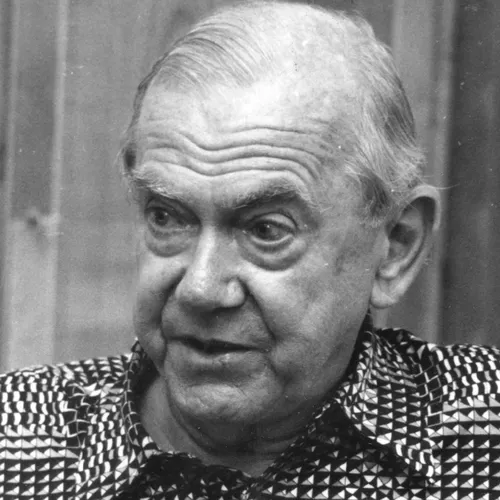
Graham Greene was a prolific and influential British writer whose literary genius extended far beyond the printed page, encompassing a remarkable legacy in radio drama. His works, characterized by complex moral landscapes and profound psychological depth, found a particularly compelling expression through BBC radio adaptations.
Early Life and Literary Beginnings
Born in Berkhamsted, Hertfordshire on October 2, 1904, Graham Greene emerged from a family deeply connected to education, with his father serving as headmaster of Berkhamsted School. Despite early personal struggles, including adolescent psychological challenges, Greene would transform his complex inner world into a remarkable literary career. After studying at Balliol College, Oxford, Greene initially pursued journalism, working as a subeditor at The Times and developing his writing skills. His conversion to Roman Catholicism in 1926 would profoundly influence his literary themes, introducing nuanced explorations of faith, morality, and human complexity.
Radio as a Narrative Canvas
Greene's engagement with radio drama represented a unique extension of his storytelling prowess. The BBC became a crucial platform for adapting his novels and original works, transforming his intricate narratives into immersive audio experiences. His radio works often maintained the psychological depth and moral ambiguity that characterized his written fiction. Notable radio adaptations included seminal works like The Power and the Glory, Brighton Rock, The Ministry of Fear, and Our Man in Havana. These productions featured stellar British actors and captured the essence of Greene's distinctive narrative style, bringing his complex characters and morally nuanced worlds to life through sound.
Signature Themes in Radio Drama
Greene's radio works consistently explored themes of moral ambiguity, spiritual struggle, and political complexity. His adaptations often featured characters wrestling with profound ethical dilemmas, reflecting his lifelong fascination with human nature's contradictions. The radio medium allowed Greene to experiment with narrative techniques, creating intimate, introspective experiences that drew listeners into the psychological landscapes of his characters. Works like The Great Jowett - his only original radio play - demonstrated his ability to craft compelling audio narratives.
Legacy and Influence
Graham Greene's radio contributions represent more than mere adaptations; they were sophisticated artistic expressions that expanded the potential of audio storytelling. His works bridged literature, performance, and audio drama, creating immersive experiences that resonated with audiences. The BBC Radio Drama Collection has preserved these remarkable adaptations, ensuring that new generations can experience Greene's storytelling. His radio works continue to be celebrated for their psychological depth, narrative complexity, and profound human insights.
Works and Appearances
Radio Adaptations
- The Power and the Glory (Radio Drama)
- Brighton Rock (Radio Adaptation)
- The Ministry of Fear (Radio Drama)
- Our Man in Havana (Radio Adaptation)
- The Great Jowett (Original Radio Play)
- The End of the Affair (Radio Drama)
- A Burnt Out Case (Radio Adaptation)
- The Comedians (Radio Drama)
- The Honorary Consul (Radio Adaptation)
- Monsignor Quixote (Radio Drama)
Platforms
- BBC Radio 4
- Fourble Podcast
- Audible
- Apple Books
Graham Greene passed away in April 1991, leaving behind a remarkable literary legacy that transcended traditional boundaries, with his radio works standing as a testament to his extraordinary storytelling capabilities.