Gordon Oliver
In the vibrant landscape of mid-20th century American entertainment, Gordon Oliver emerged as a versatile actor whose career spanned multiple media platforms, leaving an indelible mark on film and radio. Born in Los Angeles, California on April 27, 1910, Oliver would become a notable figure in the entertainment industry, navigating the complex world of Hollywood during its transformative decades.
Early Life and Hollywood Beginnings
Gordon Oliver entered the entertainment world during a pivotal era of cinematic development. His initial foray into performance began in 1933, when he first appeared on screen in an uncredited student role. The young actor quickly demonstrated a remarkable adaptability that would characterize his entire career. Throughout the mid-1930s, Oliver began securing more substantial roles, gradually establishing himself in the competitive film industry. By 1936, Oliver had begun working with several prominent film studios, steadily building his professional reputation. His early roles showcased his range, with performances in various genres that highlighted his versatility as an actor. The late 1930s proved particularly productive, with Oliver appearing in numerous films and developing his craft.
Radio and Broadcast Performances
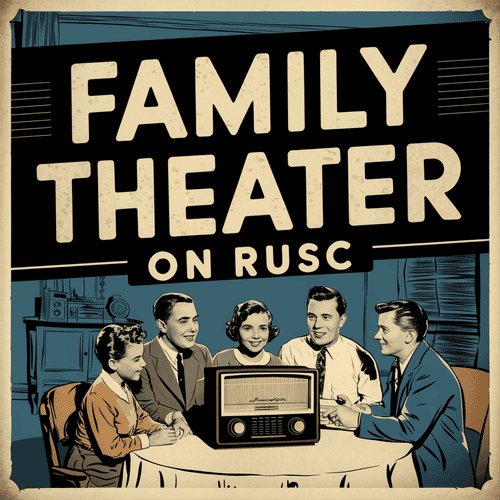
While Oliver was primarily known for his film work, he also made significant contributions to radio broadcasting. In 1952, he appeared on the Family Theater program in an episode titled Pas de Deux. This appearance demonstrated his ability to transition between visual and audio mediums, a skill that was highly valued during the golden age of entertainment. Oliver was also a co-host of Mobil Theatre, further expanding his presence in broadcast media. These radio appearances complemented his film career, allowing him to reach broader audiences and showcase his performative talents in different formats.
Film Career and Professional Evolution
Throughout his career, Gordon Oliver appeared in approximately 25 films, portraying a wide array of characters. His filmography from 1933 to 1972 reveals an actor who consistently worked and adapted to the changing landscape of Hollywood. From playing characters like Bob White in 1936 to Mr. Willie Sparker in 1972, Oliver demonstrated remarkable longevity in an industry known for its rapid transformations.
Personal Life and Legacy
Gordon Oliver maintained a stable personal life alongside his professional achievements. He was married to Elsa Oliver for an impressive 46 years, and together they raised two children: a son named Angus Duncan and a daughter, Elsa Lambert. His commitment to both family and profession characterized his approach to life. On January 26, 1995, Oliver passed away in Los Angeles, succumbing to emphysema. He was interred at the Hollywood Forever Cemetery, a fitting resting place for someone who had contributed significantly to the entertainment industry.
Conclusion
Gordon Oliver's career represents a fascinating microcosm of mid-20th century American entertainment. His ability to navigate film and radio, consistently securing roles across decades, speaks to his professional skill and adaptability. While perhaps not a headline-grabbing star, Oliver embodied the hardworking, versatile performer who was the backbone of Hollywood's golden era.
Works and Appearances
Radio
- Family Theater (1952) - Episode: Pas de Deux
- Mobil Theatre - Co-host
Cinema
- Youth on Parole (1937) - Various roles
- Multiple films from 1933-1972, including:
- Bob White in Roaring Timber (1936)
- Dr. Jerry Brace in Youth on Parole (1937)
- Mr. Willie Sparker in final film (1972)
Production
- Produced various films, including work in 1967
Gordon Oliver's journey through entertainment serves as a testament to the dynamic and ever-changing nature of mid-20th century American media.