Glenda Farrell
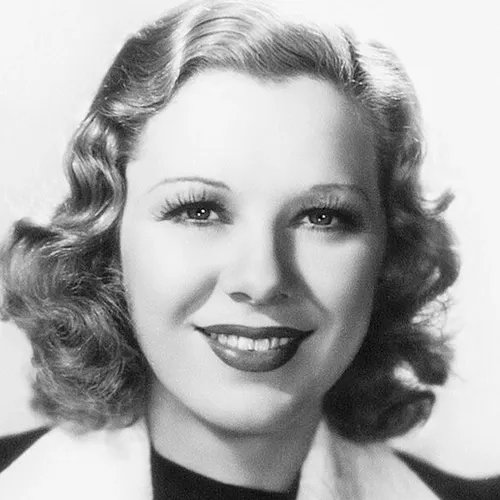
Glenda Farrell was a dynamic performer who epitomized the smart, quick-witted actress of Hollywood's golden age, seamlessly transitioning between stage, screen, and radio with remarkable versatility. Her career spanned over four decades, during which she became known for her rapid-fire dialogue and unforgettable characterizations that captivated audiences across multiple entertainment mediums.
Early Life and Theatrical Beginnings
Born on June 30, 1904, in Enid, Oklahoma Territory, Glenda Farrell emerged from a family that would shape her artistic destiny. Her father, Charles Farrell, was a horse trader of Irish and Cherokee descent, while her mother, Wilhelmina "Minnie," was a German-American who passionately supported her daughter's theatrical ambitions. Recognizing her daughter's potential, Minnie became the driving force behind Farrell's early entry into performing arts. Farrell's theatrical journey began remarkably early. At just seven years old, she was already performing on stage, playing Little Eva in a theatrical production. Her natural talent quickly became apparent, and by her teenage years, she had joined a stock company, demonstrating a precocious ability to captivate audiences. Her early experiences were marked by determination and a clear passion for performance that would define her entire career.
Radio and Performance Breakthrough
While primarily known for her film work, Farrell was also an accomplished radio performer. In the late 1930s and early 1940s, she appeared in several radio series, including Vanity and Playhouse. Her distinctive voice and rapid-fire delivery made her a natural fit for radio drama and comedy programs. Her ability to convey complex emotions and sharp wit through audio performance highlighted her exceptional acting range. Farrell's radio work complemented her burgeoning film career, allowing her to showcase her versatility as a performer. She brought the same energetic, no-nonsense persona to radio that she had developed in her film roles, particularly her iconic character Torchy Blane, a fast-talking newspaper reporter who became a cultural touchstone of the era.
Hollywood Stardom and Signature Style
Farrell's Hollywood career was defined by her unique persona - the quintessential "tough blonde" who could deliver a wisecrack with unparalleled speed and precision. At Warner Bros. in the 1930s, she became a signature star, appearing in over 30 films in just five years. Her collaboration with actress Joan Blondell was particularly notable, with the two forming a beloved comedy duo in multiple films. Her most famous role was Torchy Blane, a character that solidified her status as a Hollywood icon. In eight films between 1937 and 1939, Farrell portrayed the investigative reporter who was both intelligent and irreverent. She deliberately crafted Torchy as a realistic representation of female journalists, stating that she wanted to create "a real human being—and not an exaggerated comedy type."
Later Career and Legacy
As her film career evolved, Farrell seamlessly transitioned into television, appearing in over 40 television series between 1950 and 1969. Her versatility was further demonstrated by her Emmy Award win in 1963 for her supporting role in the medical drama Ben Casey. This recognition underscored her ability to adapt to changing entertainment landscapes. Farrell's impact extended beyond her performances. She was credited by comic book writer Jerry Siegel as the inspiration for Lois Lane, Superman's iconic love interest. Her portrayal of strong, independent women challenged contemporary stereotypes and paved the way for future generations of actresses.
Conclusion
Glenda Farrell was more than just an actress; she was a trailblazer who embodied the spirit of her era. Her rapid-fire delivery, intelligent characterizations, and versatile performances made her a beloved figure in entertainment history. From stage to radio, film to television, Farrell consistently demonstrated an extraordinary ability to captivate and entertain audiences.
Works and Appearances
Radio
- Vanity (1937)
- Playhouse (1937)
- Manhattan Latin (1938)
Film (Selected Highlights)
- Torchy Blane Series (1937-1939)
- Smart Blonde (1937)
- Fly-Away Baby (1937)
- Blondes at Work (1938)
Television
- Studio One in Hollywood (1949-1958)
- Armstrong Circle Theatre (1952-1953)
- Ben Casey (1963)
- Bonanza (1964)
- Bewitched (1969)
Theater
- Separate Rooms (1940-1941)
- The Overtons (1945)
- Home is the Hero (1954)
- Forty Carats (1968)