Glen Gray
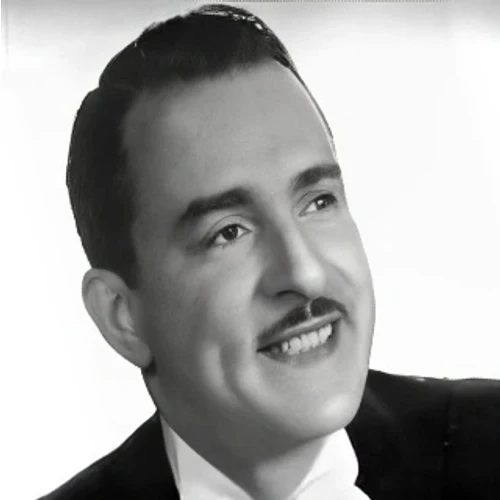
In the vibrant landscape of early 20th-century jazz and radio broadcasting, Glen Gray emerged as a pivotal figure who transformed the big band sound and captivated audiences across America. A saxophonist, orchestra leader, and musical innovator, Gray's journey from a small-town Illinois boy to a renowned bandleader is a testament to the dynamic world of swing music during the golden age of radio.
Early Life and Musical Beginnings
Born Glenn Gray Knoblauch on June 7, 1900, in Roanoke, Illinois, Gray's early life was marked by both challenge and opportunity. Losing his father at the tender age of two, he was raised by his mother and stepfather in a working-class environment. During his high school years at Roanoke High School, Gray not only played basketball but also acquired the memorable nickname "Spike" - a moniker that would follow him throughout his musical career. Gray's musical aspirations began to take shape in the early 1920s. After a brief stint at an unnamed educational institution, he pivoted towards his true passion - music. In 1921, he left his studies to join George Haschert's orchestra in Peoria, Illinois, marking the beginning of his professional musical journey.
The Rise of the Casa Loma Orchestra
The pivotal moment in Gray's career came with the Casa Loma Orchestra, a groundbreaking ensemble that would define the swing era. Interestingly, the orchestra was initially a collective group without a designated leader. Gray initially played in the saxophone section, with violinist Mel Jenssen conducting. In 1937, a significant turning point occurred when the band overwhelmingly voted for Gray to lead the orchestra. By the mid-1940s, he had not only accepted leadership but also owned both the band and the Casa Loma name. The orchestra gained widespread popularity through their appearances on long-running radio comedy-variety programs, most notably being introduced with their signature theme, "Smoke Rings".
Musical Innovations and Notable Recordings
Gray's leadership brought numerous musical successes. Between 1937 and 1945, the Casa Loma Orchestra produced several memorable recordings that showcased their distinctive sound. Hit tracks like "No Name Jive", "One Dozen Roses", and "Gotta Be This or That" featured prominent vocalists and demonstrated the band's versatility. The band's lineup during this period was impressive, featuring talented musicians like guitarist, trumpeter, pianist, and cornetist. Their ability to blend individual talents into a cohesive sound set them apart in the competitive big band landscape.
Later Career and Legacy
By 1950, the Casa Loma band had ceased touring, and Gray retired to Massachusetts. However, his musical journey was far from over. He continued recording with Capitol Records, producing 14 high-fidelity and stereo recordings with a group of studio musicians in Hollywood. These later recordings, including Casa Loma in Hi-Fi (1956), ensured that his musical legacy continued to resonate. On August 23, 1963, Glen Gray passed away in Plymouth, Massachusetts, leaving behind a remarkable musical legacy that had significantly shaped the swing and jazz genres.
Works and Appearances
Radio
- Casa Loma Orchestra (Mid-1930s)
- Various comedy-variety programs featuring "Smoke Rings" theme
Recordings
- Casa Loma in Hi-Fi (1956)
- Sounds of the Great Bands series
- Numerous hit recordings between 1937-1945
Record Labels
- Brunswick
- Decca
- Capitol Records
Glen Gray's journey from a small-town saxophonist to a celebrated bandleader represents the quintessential American musical success story of the mid-20th century. His contributions to swing music and radio entertainment continue to inspire musicians and music historians alike.