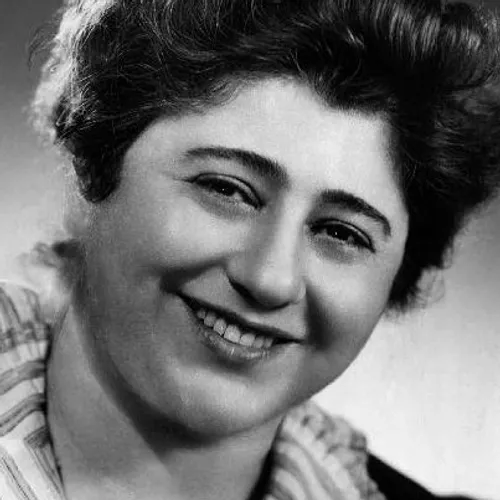
Gertrude Berg
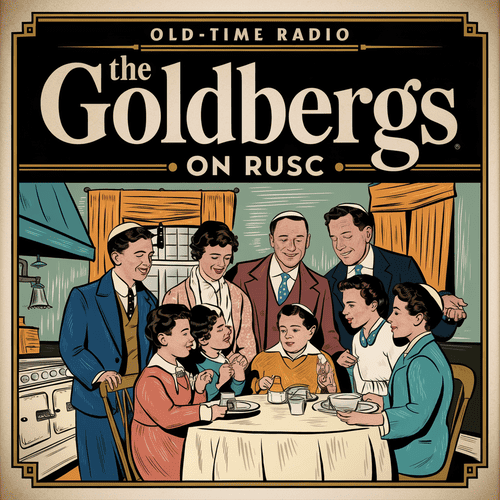
An American actress and screenwriter. A pioneer of classic radio, she was one of the first women to create, write, produce and star in a long-running hit when she premiered her serial comedy-drama The Rise of the Goldbergs (1929), later known as The Goldbergs.
In the early days of radio and television, few personalities were as transformative and groundbreaking as Gertrude Berg. A visionary writer, actress, and producer, Berg created one of the first and most beloved family comedies in American broadcasting history, revolutionizing how audiences perceived Jewish-American life and family dynamics.
Early Life and Roots of Creativity
Born Tillie Edelstein on October 3, 1899, in the Bronx neighborhood of New York City, Berg emerged from a complex family background that would later inspire her most famous work. Her parents, Jacob and Dinah Edelstein, were immigrants from Russia and England, respectively. Her mother's struggles with mental health, including nervous breakdowns following the death of a young son, would profoundly influence Berg's understanding of family dynamics. Berg's creative spark ignited early. While working at her father's resort, she began producing skits that demonstrated her natural storytelling abilities. In 1918, she married Lewis Berg, with whom she would have two children, Cherney and Harriet. Her husband's job loss at a sugar factory would become a pivotal moment in her career, inspiring her to develop a semi-autobiographical radio program.
The Rise of the Goldbergs
On November 20, 1929, Berg launched The Rise of the Goldbergs on NBC radio, a groundbreaking 15-minute program that would become a cultural phenomenon. Starting at a modest $75 per week, Berg wrote nearly all 5,000 radio episodes by hand, creating a narrative that resonated deeply with first-generation immigrant families. The show centered on Molly Goldberg, a big-hearted matriarch navigating the challenges of Jewish-American life. Berg's portrayal was revolutionary, depicting immigrant struggles with warmth, humor, and authenticity. The program's success stemmed from its ability to capture the universal experiences of family, assimilation, and hope.
Television and Breakthrough Success
In 1949, Berg successfully transitioned The Goldbergs to television, becoming one of the first TV sitcoms. Her persistence paid off when she won the first-ever Emmy Award for Lead Actress in a Television Series in 1951. However, her career was not without challenges. During the McCarthy era, Berg courageously stood by her co-star Philip Loeb when he was accused of communist sympathies, risking her show's sponsorship and network support.
Later Career and Legacy
Despite the challenges, Berg continued to innovate. She wrote and produced a syndicated film version of The Goldbergs and made guest appearances on various television shows. In 1959, she won a Tony Award for Best Actress, further cementing her status as a multi-talented performer. Berg's impact extended far beyond entertainment. She humanized Jewish-American experiences, challenged stereotypes, and paved the way for future generations of writers and performers. Her memoir, Molly and Me, published in 1961, offered insights into her remarkable journey.
Personal Life and Final Years
On September 14, 1966, Berg passed away from heart failure in New York City. Her legacy was commemorated through various tributes, including a 2009 documentary exploring her groundbreaking career.
Works and Appearances
Radio
- The Rise of the Goldbergs (1929-1946) - Creator, Writer, Lead Actress
- Various radio programs (1935) - Hotel owner character
Television
- The Goldbergs (1949-1954) - Creator, Writer, Lead Actress
- The Gertrude Berg Show (1961) - Lead Actress
Theater
- Tony Award-winning performances (1959)
Publications
- Molly and Me (1961) - Memoir
Gertrude Berg was more than an entertainer; she was a pioneering storyteller who used her art to bridge cultural divides, making her an essential figure in American broadcasting history.