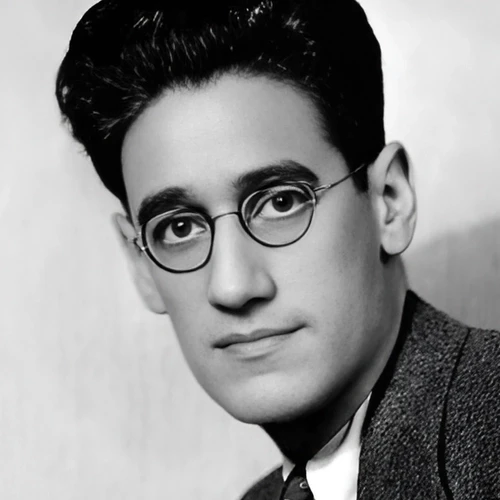
George S. Kaufman was more than just a playwright; he was a cultural icon whose razor-sharp wit and comedic genius transcended the boundaries of theater, extending into the realm of radio and early television. A master of collaboration and satire, Kaufman left an indelible mark on American entertainment that resonated far beyond the Broadway stage.
Early Life and Theatrical Beginnings
Born in Pittsburgh in 1889, George Simon Kaufman emerged from a Jewish family with modest means. After a brief and uninspiring stint studying law, he found his true calling in writing and journalism. His early career as a humor columnist and drama reporter for The New York Times set the stage for his remarkable theatrical journey.
The Collaborative Genius
Kaufman was renowned for his collaborative approach to playwriting. Unlike many of his contemporaries, he rarely wrote alone, preferring to work with a series of talented co-writers. Every Broadway season from 1921 through 1958 featured a play written or directed by Kaufman, a testament to his prolific and enduring talent. His most famous partnership was with Moss Hart, with whom he created some of American theater's most enduring comedies, including You Can't Take It with You and The Man Who Came to Dinner.
Radio and Media Personality
While Kaufman was not primarily a radio playwright, his work frequently found its way to the airwaves. Many of his stage plays were adapted for radio broadcasts, including The Man Who Came to Dinner and You Can't Take It with You. More intriguingly, Kaufman himself became a media personality, known for his acerbic wit and quick humor. His radio and television appearances were marked by his characteristic sharp tongue. In a notable incident during the 1950s, while serving as a panelist on the CBS television show This Is Show Business, he made a controversial joke about the excessive airing of "Silent Night" during the holiday season. The resulting public outcry led to his dismissal from the show, further cementing his reputation as an uncompromising humorist.
Legacy and Personal Quirks
Beyond his professional achievements, Kaufman was as interesting for his personality as for his writing. A member of the legendary Algonquin Round Table, he was known for his mordant humor and apparent discomfort with sentimentality. He famously quipped that he never wanted to go anywhere he couldn't return to "Broadway and 44th by midnight". His personal life was as colorful as his professional one. Called "Public Lover Number One," he was involved in several high-profile relationships and was not shy about his romantic pursuits. He was married twice, first to Beatrice Bakrow from 1917 to 1945, and then to actress Leueen MacGrath from 1949 to 1957.
Works and Appearances
Radio
- The Man Who Came to Dinner - Radio adaptations in 1942 and 1946
- You Can't Take It With You - Various radio broadcasts
- Once in a Lifetime - Radio adaptation
Television
- Panelist on This Is Show Business (1949-1953)
- Various guest appearances
Stage Plays
- You Can't Take It with You (1936)
- The Man Who Came to Dinner (1939)
- Of Thee I Sing (1932)
- Stage Door (1936)
Film
- Screenplay for Marx Brothers' The Cocoanuts
- Directed The Senator Was Indiscreet (1947)
George S. Kaufman passed away on June 2, 1961, in New York City, leaving behind a legacy as one of America's most influential comedic writers. His work continues to be celebrated and performed, a testament to the timeless nature of his wit and insight.