Freddy Martin
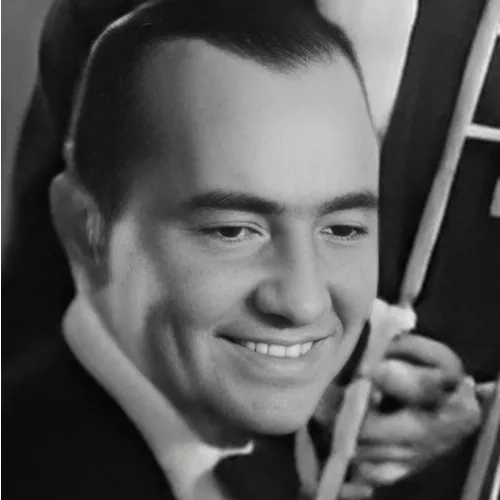
In the vibrant landscape of mid-20th century American music, Freddy Martin emerged as a distinctive bandleader who transformed the sweet band sound and captivated audiences across radio, recordings, and live performances. Known as "Mr. Silvertone," Martin pioneered a unique musical approach that blended technical precision with melodic innovation, becoming a beloved figure in the big band and swing era.
Early Years and Musical Beginnings
Frederick Alfred Martin was born on December 9, 1906, in Cleveland, Ohio. Initially aspiring to become a journalist, Martin's musical journey began unexpectedly. He started playing drums before transitioning to saxophone, ultimately finding his signature voice with the tenor saxophone. During his high school years, Martin already demonstrated musical leadership by forming and leading his own band. Martin's early career was marked by persistent networking and opportunistic performances. He worked various musical jobs, including selling musical instruments, which allowed him to observe and learn from prominent musicians like Guy Lombardo. A pivotal moment came when Lombardo was unable to perform a specific date and recommended Martin's band as a replacement, effectively launching his professional career.
Pioneering the Tenor Band Style
At the Bossert Marine Roof, Martin revolutionized the music scene by introducing the "Tenor Band" style. His innovative approach featured an all-tenor saxophone section accompanied by minimal brass and a violin trio. This rich, distinctive sound quickly spread throughout hotels and ballrooms nationwide. Unlike many sweet bands of the era that produced mundane music, Martin's ensemble was recognized for its musical sophistication and melodic complexity. Martin's band was nicknamed "Mr. Silvertone," a testament to his smooth, refined musical approach. While he never positioned himself as a jazz musician, his band was celebrated for being one of the most pleasant and relaxed dance bands of the era.
Rise to National Prominence
Martin's breakthrough came in 1941 with a groundbreaking arrangement of Tchaikovsky's Piano Concerto No. 1. The instrumental version, later adapted with lyrics by Ray Austin as "Tonight We Love," became a massive hit, selling over one million copies and earning a gold record. This success prompted Martin to explore classical music adaptations, a strategy that set him apart from other bandleaders. Throughout the 1940s and 1950s, Martin's popularity soared. He appeared in Hollywood films, performed on national radio networks, and maintained a consistent presence in prestigious venues like the Roosevelt Grill in New York and the Ambassador Hotel in Los Angeles.
Later Career and Legacy
Even as musical tastes evolved, Martin remained adaptable and in-demand. In the 1970s, he participated in "The Big Band Cavalcade" tours and was even asked to lead Guy Lombardo's band during Lombardo's hospitalization. Martin continued performing until the early 1980s, maintaining his musical relevance across decades. Freddy Martin passed away on September 30, 1983, in Newport Beach, California, leaving behind a remarkable musical legacy that bridged the swing era with later musical generations.
Works and Appearances
Radio
- Maybelline Penthouse Serenade (1937)
- Multiple national radio network performances throughout 1940s and 1950s
Films
- Stage Door Canteen (1942)
- Reveille with Beverly (1943)
- Ladies' Day (1948)
Recordings (Selected)
- "Tonight We Love" (1941)
- "Intermezzo" (1941)
- "Sabre Dance Boogie" (1948)
Notable Collaborations
- Worked with vocalists including Merv Griffin
- Collaborated with musicians like Guy Lombardo
Freddy Martin's enduring contribution to American popular music remains his ability to make complex musical arrangements accessible and enjoyable, bridging classical and popular music with unprecedented grace and style.