Frank McHugh
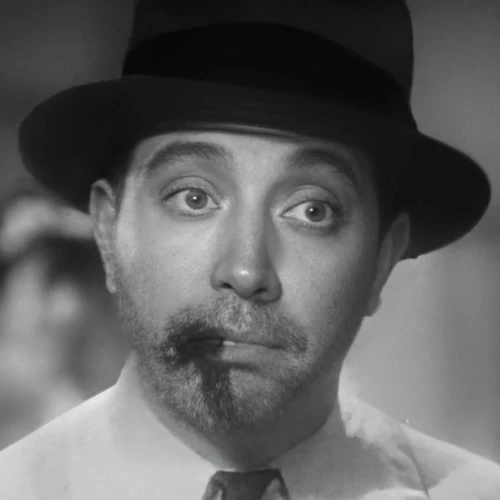
An American film and television actor. Born in Homestead, Pennsylvania, McHugh came from a theatrical family. His parents ran a stock theatre company and as a young child he performed on stage.
Frank McHugh was a remarkable character actor whose career spanned radio, film, and stage, embodying the quintessential versatile performer of mid-20th century American entertainment. Born Francis Curry McHugh on May 23, 1898, in Homestead, Pennsylvania, he emerged from a theatrical family to become a beloved figure in Hollywood's "Irish Mafia" and a prolific radio personality.
Early Years and Theatrical Roots
Growing up in a family deeply entrenched in performance, McHugh was destined for entertainment. His parents, Edward A. "Cutie" McHugh and Katherine Curry "Katie" McHugh, ran a family theater company, introducing young Frank to the stage at an early age. By the time he was 10, he was already performing alongside his siblings Matt and Kitty McHugh, creating a family act that would lay the foundation for his future career. At 17, McHugh left the family stage company and ventured to Pittsburgh, where he worked as a leading man and stage manager at the Empire Theater. He spent nine years honing his craft in stock companies and road troupes before making his Broadway debut in The Fall Guy in 1925. This early experience would prove crucial in developing the comedic timing and versatility that would define his later radio and film work.
Radio Career and Breakthrough
McHugh's radio career was as dynamic as his film work. He starred in several notable radio programs, including Phone Again, Finnegan (1946-1947) and Hotel for Pets (1954-1956). His distinctive voice and comedic sensibilities made him a natural fit for the medium, allowing him to showcase his talents beyond the visual medium of film. His radio work was characterized by a blend of humor and warmth, often playing characters that resonated with audiences. McHugh had a particular talent for bringing charm and authenticity to his roles, whether he was playing a comedic sidekick or a more serious character. This versatility made him a sought-after performer in the golden age of radio broadcasting.
World War II Entertainment and Patriotism
During World War II, McHugh demonstrated his commitment to supporting troops through entertainment. He was part of a special train tour with 21 stars, performing to raise money for the Army and Navy Relief Society in 1942. He also toured England with the American Variety Show, entertaining troops alongside other notable performers. Perhaps most notably, McHugh created and led McHugh's Revue, a USO show that toured France, Holland, Belgium, and Germany in late 1944. Accompanied by four actresses and a piano player, he brought entertainment and morale-boosting performances to front-line soldiers. His efforts were so appreciated that he received a citation from the U.S. Army for "exceptionally meritorious service" in entertaining troops.
Later Career and Legacy
As radio gave way to television and film became the dominant entertainment medium, McHugh seamlessly transitioned. He continued to appear in films until 1967, with his last feature role being a comedic sea captain in an Elvis Presley film. His television work included a 27-episode ABC sitcom where he reunited with Bing Crosby. McHugh was part of Hollywood's legendary "Irish Mafia," a group of actors that included close friends like Pat O'Brien, Spencer Tracy, and James Cagney. This camaraderie reflected the tight-knit nature of Hollywood's character actor community during the mid-20th century.
Conclusion
Frank McHugh's career exemplified the versatility and resilience of performers in the mid-20th century entertainment industry. From stage to radio, film to television, and even wartime entertainment, he consistently brought humor, heart, and professionalism to his craft. His contributions not only entertained millions but also provided crucial morale support during one of America's most challenging periods.
Works and Appearances
Radio
- Phone Again, Finnegan (1946-1947)
- Hotel for Pets (1954-1956)
Film
- The Dawn Patrol (1930)
- Four Daughters (1938)
- Going My Way (1944)
- There's No Business Like Show Business (1954)
- Easy Come, Easy Go (1967) - Final film role
Television
- Unnamed ABC sitcom (1964-1965)
- Various guest appearances through late 1950s and early 1960s
Frank McHugh passed away on September 11, 1981, in Greenwich, Connecticut, leaving behind a rich legacy of entertainment that spanned multiple decades and mediums.