Fortunio Bonanova
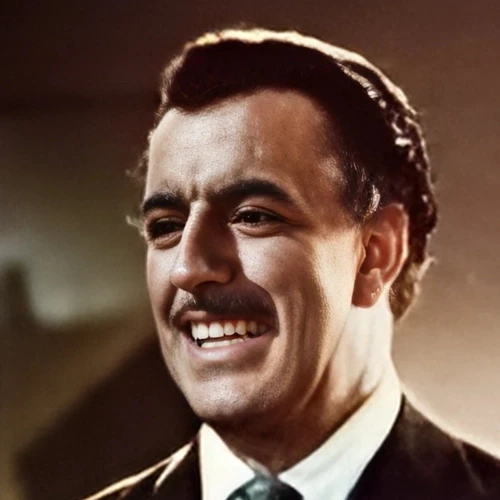
Fortunio Bonanova is the pseudonym of Josep Lluís Moll (Palma de Mallorca, January 13, 1895 – Woodland, California, April 2, 1969), who was a baritone singer and a film, theater, and television actor. He occasionally worked as a producer and director.
In the vibrant world of mid-20th century entertainment, few performers embodied the versatility and charm of Fortunio Bonanova, a Spanish actor, opera singer, and radio personality whose career spanned multiple decades and mediums. Born Josep Lluís Moll on January 13, 1895, in Palma, Mallorca, Bonanova would become a distinctive figure in American entertainment, leaving an indelible mark on radio, film, and television.
Early Life and Artistic Beginnings
Bonanova's artistic journey began in his native Spain, where he first established himself as a professional opera operator. Studying under the tutelage of Giovachini, he made his singing debut in 1921 at the Teatre Principal in Palma. That same year, he signed the Ultraist Manifesto, adopting the pseudonym Fortunio Bonanova - a name that symbolized his desire to seek fortune and his love for the Bonanova neighborhood. His early artistic explorations were multifaceted. In 1921, he appeared in a silent film and later directed his own production of Don Juan in 1924. Throughout the 1920s and early 1930s, Bonanova navigated between opera performances in New York and small roles in Hollywood productions, gradually building a reputation as a versatile performer.
Radio Career and Notable Performances
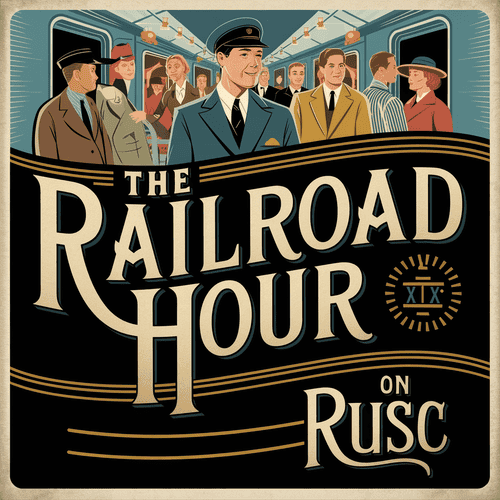
Bonanova's radio career was as rich and diverse as his stage and screen work. He was particularly prominent in programs like The Railroad Hour (1948-1954) and Favorite Story, a series featuring celebrity-selected literary adaptations. His resonant voice and dramatic skills made him a sought-after performer in various radio genres. Some of his notable radio appearances included:
- The Railroad Hour (1948-1954)
- Favorite Story
- A Date with Judy (1941-1950)
- Hallmark Playhouse (1951-1952)
His radio work was characterized by his ability to bring depth and authenticity to diverse characters, whether he was portraying an opera coach, a general, or a comedic supporting role.
Hollywood and Television Transition
With the outbreak of the Spanish Civil War in 1936, Bonanova returned to the United States, where his acting career truly flourished. He secured increasingly significant roles in English-language films, including a memorable performance as Signor Matiste, Susan Alexander Kane's opera coach in Citizen Kane (1941). His television career was equally impressive. In the 1950s, he appeared in popular shows like I Love Lucy, where he played a fake psychic, and The George Burns and Gracie Allen Show, often portraying characters that leveraged his operatic background and comedic timing.
Legacy and Final Years
Bonanova's career was a testament to his remarkable adaptability. From opera stages to radio waves, from Hollywood sets to television screens, he consistently demonstrated an extraordinary range of talents. His ability to seamlessly transition between languages, genres, and mediums made him a unique figure in mid-20th century entertainment. He continued performing until the mid-1960s, with his final film role in La muerte silba un blues (1964). Bonanova passed away on April 2, 1969, in Woodland Hills, Los Angeles, leaving behind a rich legacy of artistic achievement.
Works and Appearances
Radio
- The Railroad Hour (1948-1954)
- Favorite Story (Various years)
- A Date with Judy (1941-1950)
- Hallmark Playhouse (1951-1952)
Film (Selected Roles)
- Citizen Kane (1941) - Signor Matiste
- For Whom the Bell Tolls (1943) - General Sebastiano
- Fiesta (1947)
Television
- I Love Lucy (1950s)
- The George Burns and Gracie Allen Show (1950s)
Fortunio Bonanova's life and career exemplify the rich, interconnected world of mid-20th century entertainment, where talent knew no boundaries of language, medium, or genre.