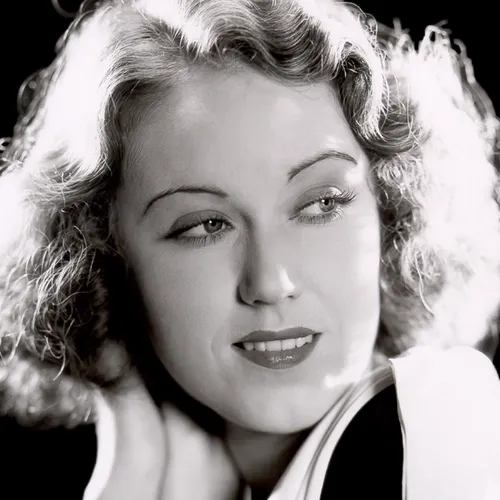
Fay Wray
A Canadian-American actress most noted for playing the female lead in King Kong. Through an acting career that spanned 57 years, Wray attained international renown as an actress in horror movie roles.
In the golden age of Hollywood, few actresses captured the imagination of audiences quite like Fay Wray, the pioneering actress who would become synonymous with the term "Scream Queen". Her remarkable career spanned the transition from silent films to talkies, and she became an iconic figure in cinema history through her unforgettable performances.
Early Life and Hollywood Beginnings
Born Vina Fay Wray in 1907 near Alberta, Canada, her journey to Hollywood was a tale of ambition and opportunity. Her family first moved to Salt Lake City and then to Hollywood in 1919, where young Fay would attend Hollywood High School. By the age of 16, she had already begun her acting career, quickly catching the attention of the industry.
In 1926, Wray was named one of the "WAMPAS Baby Stars", a prestigious recognition of emerging talent in Hollywood. She worked with notable studios like Hal Roach, Universal, and Paramount during the silent film era. Her breakthrough came with the female lead in The Wedding March (1928), and she successfully transitioned to talking pictures with Pointed Heels (1929), an early color musical.
The Rise of a Scream Queen
Wray's approach to the "damsel in distress" role was revolutionary. She understood that being a Scream Queen required more than just looking attractive and screaming. As she herself noted, an actress needed to be "frightened, sad, romantic" and most importantly, seem relatable to the average audience member.
Her most iconic role came in Merian C. Cooper's King Kong (1933), a film that would define her career. Interestingly, Cooper originally wanted Jean Harlow but settled on Wray, even having her wear a blonde wig for the part. The film was crucial for RKO Studios, which was struggling financially during the Great Depression.
Pioneering Horror and Adventure Films
Beyond King Kong, Wray starred in The Most Dangerous Game (1932), which was ingeniously filmed on the same jungle set as Kong during night shoots. The film starred Joel McCrea and was part of RKO's strategy to maximize their elaborate set designs.
What set Wray apart was her ability to make audience members feel her terror. Her screams were not just sounds, but emotional experiences that drew viewers into the narrative. She took pride in knowing that King Kong helped save RKO from bankruptcy.
Later Career and Legacy
After her peak in the 1930s, Wray's film appearances became less frequent. She retired from motion pictures after her second marriage in 1942, though she made occasional appearances. She starred in the 1953 ABC sitcom The Pride of the Family and made several TV guest appearances.
Notably, she was approached for significant roles in later years, including a potential part in James Cameron's Titanic (1997), which she declined. When Peter Jackson sought her for a cameo in his King Kong remake (2005), she politely refused, stating that the original Kong would always be "King".
Enduring Remembrance
Fay Wray passed away in her sleep on August 8, 2004, at the age of 96. Her impact on cinema was commemorated in two remarkable ways: she received a star on the Hollywood Walk of Fame at 6349 Hollywood Blvd, and two days after her death, the Empire State Building dimmed its lights for 15 minutes in her honor.
Works and Appearances
Radio
- Lux Radio Theater appearances (multiple episodes between 1937-1941)
- Any Bonds Today (February 25, 1942)
- Good News Of (November 30, 1939)
- Halls of Ivy (April 18, 1951)
Film
- The Wedding March (1928)
- Pointed Heels (1929)
- King Kong (1933)
- The Most Dangerous Game (1932)
Television
- The Pride of the Family (1953 sitcom)
- Various guest appearances
Fay Wray's legacy extends far beyond her famous scream. She was a versatile actress who helped define the horror and adventure genres, becoming an enduring symbol of Hollywood's golden age.