Ezio Pinza
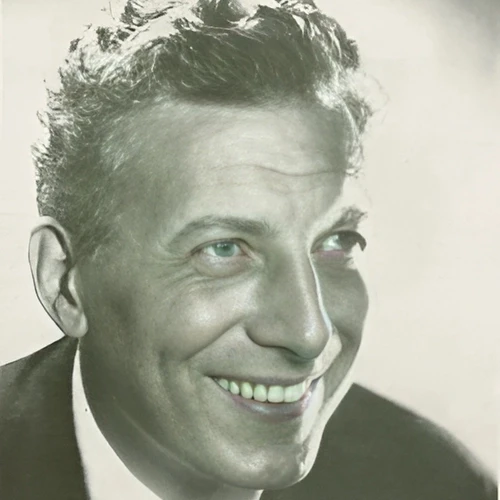
Ezio Pinza was a remarkable artist whose extraordinary voice and magnetic personality transcended the boundaries of opera and musical theater, making him a unique figure in mid-20th century entertainment. Though primarily known as an operatic bass and Broadway star, Pinza's brief but memorable forays into radio and television showcased his versatility and charisma.
The Making of a Musical Maestro
Born in Rome in 1892, Ezio Fortunato Pinza emerged from modest circumstances as the first of his parents' children to survive infancy. His early passion for music was matched by an unexpected athletic pursuit - bicycle racing. Pinza believed his cycling helped develop the lung power that would later make his voice resonate through opera houses and theaters.
Pinza's musical journey began at the Conservatorio Giovanni Battista Martini, where he developed his remarkable vocal talents. Interestingly, despite his formal musical training, Pinza never learned to read music, instead learning all his parts by ear - a testament to his extraordinary musical intuition. His operatic debut in 1914 as Oroveso marked the beginning of a stellar career that would see him become one of the most celebrated basses of his generation.
Conquering the Metropolitan Opera
Pinza's Metropolitan Opera debut in 1926 launched him into the upper echelons of classical music. Over 22 seasons, he performed in more than 750 performances across 50 operas, becoming a cornerstone of the Met's repertoire. His rich, smooth voice and magnetic stage presence made him a favorite among critics and audiences alike.
During World War II, Pinza faced a significant personal challenge when he was arrested and detained by the FBI in 1942, suspected of being a fascist sympathizer. This traumatic experience lasted nearly three months and deeply affected him, causing periods of depression. Despite this setback, Pinza continued to perform with remarkable resilience.
Broadway and Beyond
In 1949, Pinza dramatically reinvented his career by originating the role of Emile de Becque in Rodgers and Hammerstein's South Pacific. His performance of "Some Enchanted Evening" transformed him from an opera star to a national celebrity. He famously remarked, "For 20 years I sang in grand opera and nobody knew me; I sang one night in South Pacific and I can't walk down the street without being mobbed."
Radio and Television Ventures
Pinza's brief but notable television career included hosting his own show during 1951-52 and appearing in the NBC sitcom The Ezio Pinza Show in 1953. While his television appearances were relatively short-lived, they demonstrated his ability to connect with audiences beyond the classical music world.
Legacy and Final Years
Pinza's remarkable career was cut short by declining health. He passed away in 1957 in Stamford, Connecticut, leaving behind a legacy that bridged opera, Broadway, and early television. His memoirs, published posthumously in 1958, provided insight into his extraordinary life.
Works and Appearances
Radio
- The Ezio Pinza Show (1951-1952)
Television
- The Ezio Pinza Show (NBC, 1953)
- Various guest appearances (1951-1955)
Broadway
- South Pacific (1949-1954) - Role: Emile de Becque
- Fanny (1954)
Opera
- Metropolitan Opera (1926-1948)
- La Scala, Milan (1922-1926)
Films
- Carnegie Hall (1947)
- On the Riviera (1951)
- Tonight We Sing (1953)
Ezio Pinza's multifaceted career exemplified the dynamic entertainment landscape of mid-20th century America, seamlessly transitioning between classical music, theater, and emerging media platforms.