Eric Blore
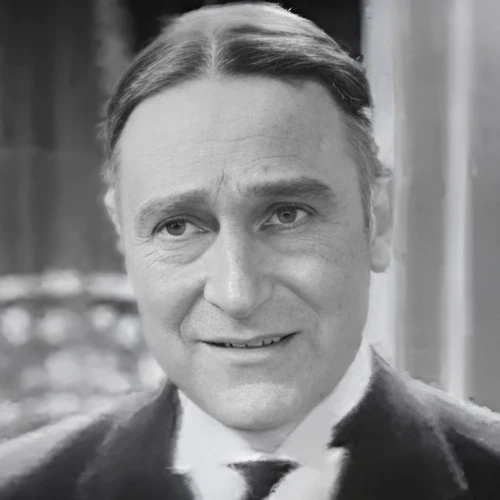
In the glittering world of classic Hollywood, few performers embodied the archetype of the witty, sophisticated supporting actor quite like Eric Blore. With his distinctive squint-eyed demeanor and impeccably crisp delivery, Blore became an iconic figure in the entertainment landscape of the 1930s and 1940s, particularly renowned for his memorable portrayals of butlers, valets, and gentlemen's gentlemen.
Early Life and Theatrical Beginnings
Born on 23 December 1887 in Finchley, London, Eric Blore initially seemed destined for a conventional career. After graduating from Mills School, he worked for an insurance company, a path that might have continued had not the siren call of theater beckoned. In 1908, Blore made his first stage appearance, quickly transitioning from the world of insurance to the vibrant realm of performance. His early theatrical career was marked by musical comedies and revues, where he honed his comedic skills. Blore wrote several sketches, including the memorable "Violet and Pink" and "Yes, Papa", demonstrating his versatility as both performer and writer. By 1913, he had made his London debut, earning praise from critics and establishing himself as a promising theatrical talent.
Broadway and Transatlantic Success
Blore's career took a significant turn when he crossed the Atlantic. In 1923, he appeared on Broadway for the first time, playing the Hon. Bertie Bird in Little Miss Bluebeard. His transatlantic performances became a hallmark of his early career, with roles in numerous Broadway productions that showcased his comedic prowess. A pivotal moment came with the Fred Astaire and Ginger Rogers musical Gay Divorce, where Blore played a waiter. This role would not only cement his Broadway reputation but also launch his Hollywood film career.
Hollywood's Beloved Character Actor
Between 1930 and 1955, Blore appeared in more than 60 films, becoming particularly famous for playing butlers and sophisticated servants. The Times noted that he and fellow actor James Treacher had "made a virtual corner in butler parts". His unique ability to convey volumes through a raised eyebrow or a perfectly timed inflection made him a favorite of directors and audiences alike. Blore co-starred in five of the nine Fred Astaire and Ginger Rogers dance musicals, including classics like Top Hat and Swing Time. He also had memorable roles in films like Preston Sturges' The Lady Eve, where his performance as Sir Alfred McGlennan Keith was particularly celebrated.
Legacy and Final Years
Beyond live-action films, Blore found immortality in animation, voicing Mr. Toad in Disney's The Adventures of Ichabod and Mr. Toad. He retired in 1956 due to health reasons and passed away on 2 March 1959 in Hollywood, leaving behind a remarkable legacy of comedic performance.
Conclusion
Eric Blore was more than just a character actor; he was an artist who could transform a minor role into an unforgettable moment of comedy. His precision, wit, and distinctive style made him a beloved figure in the golden age of Hollywood.
Works and Appearances
Radio
- Hollywood Radio Theatre: Played in "Crichton Plays Cupid"
- Suspense: Appeared in a 1943 episode titled "Murder Goes for a Swim"
- Featured in Attaboy Clarence podcast discussing his radio work with Ginger Rogers and Fred Astaire
Film Highlights
- Top Hat (1935) - Bates
- The Lady Eve (1941) - Sir Alfred McGlennan Keith
- The Adventures of Ichabod and Mr. Toad (1949) - Voice of J. Thaddeus Toad
Broadway
- Little Miss Bluebeard
- Gay Divorce
- Ziegfeld Follies of 1943