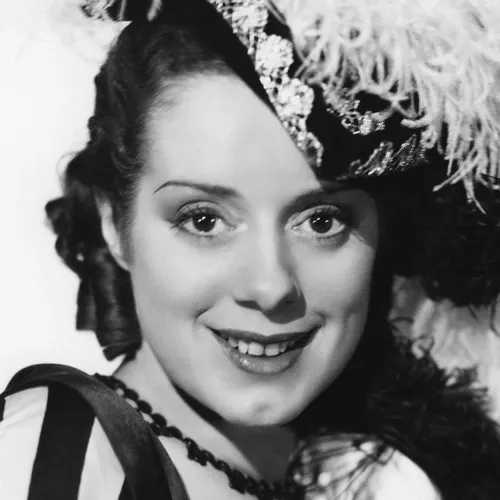
Elsa Lanchester
In the vibrant landscape of early 20th-century entertainment, Elsa Lanchester emerged as a multifaceted performer whose talents transcended traditional media boundaries. Known for her distinctive voice, theatrical presence, and remarkable versatility, Lanchester carved a unique niche in radio, film, and live performance.
Early Life and Theatrical Roots
Born in London in 1902, Elsa Lanchester grew up in an unconventional household that nurtured her creative spirit. From an early age, she was drawn to performance, particularly the dynamic world of vaudeville and cabaret. Her early experiences in London's theatrical circles would later inform her approach to radio and recording work. The bohemian environment of her youth prepared her for a career that would defy traditional expectations. Lanchester's natural inclination towards live performance made her perfectly suited for the emerging medium of radio, where personality and vocal expressiveness were paramount.
Entry into Radio and Performance
Lanchester's transition into radio was a natural progression from her stage work. In the 1920s and 1930s, she began making recordings of her cabaret songs, capturing the spirit of the era's musical landscape. Her recordings on 78 rpm discs would later be preserved and made available on modern streaming platforms like Spotify. Her radio career was marked by appearances on prestigious programs that defined the golden age of broadcasting. Lux Radio Theater became a significant platform for her, where she appeared in adaptations like "The Sidewalks of London", often performing alongside her husband, Charles Laughton.
Notable Radio Performances
The Suspense anthology series represented another important chapter in Lanchester's radio work. Known for its gripping dramatic narratives, the show provided her with opportunities to showcase her dramatic range. One memorable appearance was in an episode titled "Finishing School", which highlighted her ability to captivate audiences through sound alone. Lanchester's radio performances were characterized by her theatrical training and nuanced vocal delivery. She brought a unique blend of humor, drama, and authenticity to her roles, making her a distinctive voice in the medium.
Legacy and Influence
Beyond her radio work, Elsa Lanchester was a true renaissance performer. Her willingness to explore different media—from stage to radio, film to recordings—made her a pioneering figure in 20th-century entertainment. Her autobiographies would later provide insights into her remarkable journey, revealing the passion and creativity that drove her career.
Conclusion
Elsa Lanchester represents more than just a performer; she embodied the spirit of an era when entertainment was transforming. Her radio work, though just one facet of her incredible career, demonstrates her adaptability, talent, and enduring appeal.
Works and Appearances
Radio
- Lux Radio Theater: "The Sidewalks of London"
- Suspense: "Finishing School" and other episodes
Recordings
- Various cabaret song recordings (1920s)
- 78 rpm disc performances
Film
- Bride of Frankenstein (1935)
- Charles Laughton collaborations
Theater
- Various London and Broadway productions