Edna May Oliver
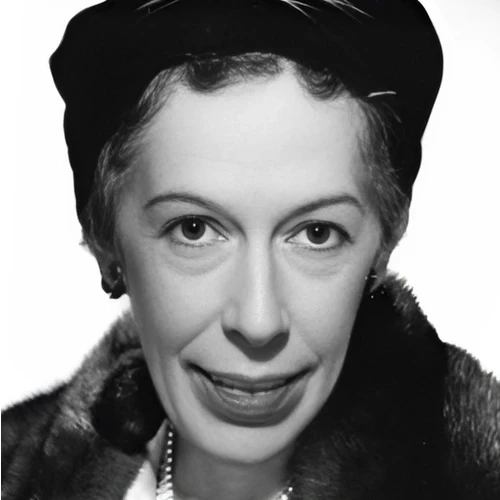
In the vibrant landscape of early 20th-century entertainment, Edna May Oliver emerged as a distinctive and memorable character actress whose talents spanned stage, screen, and radio. Known for her sharp wit, distinctive appearance, and impeccable comedic timing, Oliver carved out a unique niche in American entertainment that captivated audiences across multiple mediums.
From Stage Beginnings to Hollywood Stardom
Born Edna May Nutter on November 9, 1883, in Malden, Massachusetts, Oliver's artistic journey began early. Demonstrating an independent spirit, she quit school at age 14 to pursue a career in theater. Her stage breakthrough came in 1917 when she achieved her first significant success in the musical comedy Oh Boy, playing the hero's comically dour Aunt Penelope. Oliver's theatrical prowess continued to grow, with notable stage appearances including her memorable role as Parthy Ann Hawks in the original 1927 stage production of Show Boat. Her ability to portray strong, sardonic characters quickly became her trademark. Throughout the 1920s and early 1930s, she established herself as a sought-after stage performer, known for her distinctive comedic presence.
The Golden Age of Hollywood and Character Acting
Transitioning to film in 1923, Oliver quickly became one of the most recognizable character actresses of the 1930s. Her film debut in Wife in Name Only marked the beginning of a prolific cinema career. She was particularly renowned for her roles in mystery-comedies, starring as the spinster sleuth Hildegarde Withers in a popular film series. Her versatility shone through in numerous memorable roles. At MGM, she was cast in significant adaptations, including playing Miss Pross in A Tale of Two Cities and Aunt Betsey Trotwood in David Copperfield. Oliver's ability to bring depth and humor to supporting roles made her an invaluable asset to Hollywood productions.
Radio and Later Career
In the twilight of her career, Oliver expanded her repertoire to radio. From 1941 to 1942, she was a regular cast member in a radio series, often playing off-beat nurse characters that echoed her film persona. In July 1942, she even started a summer radio series titled The Remarkable Miss Tuttle, though her illness prevented her from completing the planned run. Her final film appearances included roles in Pride and Prejudice as Lady Catherine de Bourgh and Lydia as Sarah MacMillan, showcasing her enduring talent and adaptability.
Legacy and Personal Life
Despite her professional success, Oliver's personal life was relatively private. She was married to David Welford Pratt from 1928 to 1931. Tragically, her career was cut short when she passed away on her 59th birthday in 1942, shortly after being diagnosed with abdominal cancer. Her contributions to entertainment were significant. Oliver received an Academy Award nomination for Best Supporting Actress, a testament to her remarkable acting skills. She was celebrated for her ability to bring sharp-tongued, memorable characters to life across stage, film, and radio.
Works and Appearances
Radio
- The Bob Burns Show (1941-1942)
- The Remarkable Miss Tuttle (Summer 1942, incomplete run)
Film
- Wife in Name Only (1923)
- The Penguin Pool Murder (1932)
- Little Women (1933)
- David Copperfield (1935)
- A Tale of Two Cities (1935)
- Pride and Prejudice (1940)
- Lydia (1941)
Stage
- Oh Boy (1917)
- Show Boat (1927, 1932)
- Cradle Snatchers (1925)
Edna May Oliver remains a quintessential character actress of the early 20th century, remembered for her unique comedic style and memorable performances across multiple entertainment platforms.