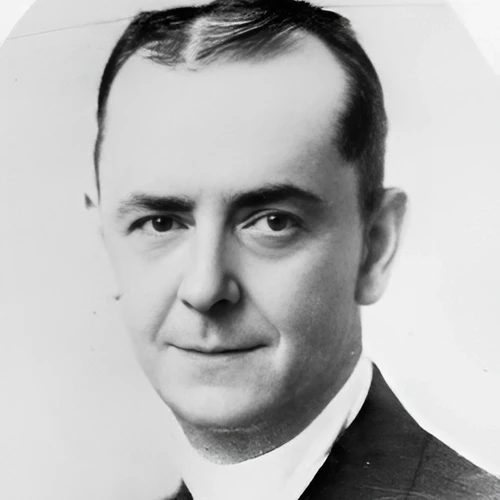
Eddie Foy
Eddie Foy was a remarkable performer who transcended the boundaries of vaudeville, theater, and early entertainment, becoming a beloved figure in American show business during the late 19th and early 20th centuries. His remarkable career spanned multiple decades, showcasing his versatility as an actor, comedian, and family entertainer.
Early Years and Theatrical Beginnings
Born Edwin Fitzgerald on March 9, 1856, in Manhattan, New York City, Eddie Foy's early life was marked by financial hardship and resilience. After his father's death in 1862, six-year-old Eddie began performing in streets and local saloons to support his family. At just 15, he adopted the stage name Foy and began dancing in bars, traveling throughout the western United States. Foy's early career was characterized by constant movement and diverse performances. He worked as a performer in theatrical productions, sharing stages with leading performers of his time. His breakthrough came when he traveled through mining camps and cow towns, gaining professional recognition and developing his unique comedic style.
Rise to Vaudeville Stardom
By 1888, Foy had returned to Chicago as a star comedian in variety shows and revues. His tremendous success came in 1889 when he starred in a musical production that launched him into national prominence. Throughout the early 1900s, he played leading comic roles in numerous musical comedies, establishing himself as a prominent entertainer. A defining moment in Foy's career came during the infamous Iroquois Theater fire in Chicago on December 30, 1903. While performing in Mr. Bluebeard, a malfunctioning spotlight set fire to the scenery. Foy heroically stayed onstage, attempting to keep the audience calm amid the chaos. His bravery was later praised by survivors, though the tragedy claimed at least 600 lives.
The Seven Little Foys: A Family Legacy
Between 1910 and 1913, Foy created a groundbreaking family vaudeville act called "Eddie Foy and The Seven Little Foys", which became a national sensation. Despite being a stern disciplinarian backstage, he portrayed an indulgent father during performances. The act toured successfully for over a decade, even appearing in a motion picture. The Foy children continued their entertainment legacy after the family act dissolved. Eddie Foy Jr. had a successful acting career, Bryan composed show music and directed films, and others pursued various entertainment and business ventures. Their story was immortalized in a 1955 film starring Bob Hope, further cementing the family's place in entertainment history.
Later Life and Enduring Impact
Throughout his career, Foy continued performing in vaudeville and starred in Broadway productions. He married three times and had eleven children, seven of whom survived childhood. His final years were spent continuing to entertain, and he died on February 16, 1928, while headlining on the Orpheum circuit in Kansas City, Missouri. Eddie Foy's legacy extends far beyond his own performances. He helped shape American entertainment, bridging the gap between variety shows, vaudeville, and emerging film technologies. His family's continued involvement in show business ensured that the Foy name remained synonymous with entertainment for generations.
Works and Appearances
Theater
- Numerous musical comedies between 1901-1912, including:
- Mr. Bluebeard (1903)
- The Fallen Star (1927)
Vaudeville
- "Eddie Foy and The Seven Little Foys" family act (1910-1913)
- Various song and dance acts throughout western United States
Film
- One motion picture with the Seven Little Foys
- Family story portrayed in 1955 film The Seven Little Foys
Notable Performances
- Iroquois Theater performance (1903)
- Orpheum circuit performances until 1928