Doodles Weaver
In the vibrant world of mid-20th-century entertainment, few performers captured the spirit of comedy quite like Doodles Weaver. A multi-talented artist who seamlessly blended radio, television, and film, Weaver became a beloved figure known for his unique comedic style and unforgettable characters.
Early Life and Roots of Comedy
Born Winstead Sheffield Weaver on May 11, 1911, in Los Angeles, California, Doodles emerged from a wealthy West Coast family with creativity running through his veins. His mother affectionately nicknamed him "Doodlebug" due to his distinctive freckles and prominent ears. The Weaver family was notable, with his brother Pat Weaver becoming a television executive and his niece Sigourney Weaver later becoming a renowned actress. Weaver's comedic potential began to take shape during his years at Stanford University, where he was known for his pranks and humor. He contributed to the university's humor magazine and earned the nickname "The Mad Monk" for his outrageous practical jokes. In fact, he was reportedly suspended in 1937 for pulling an elaborate prank on a train ride home.
Breaking into Radio Comedy
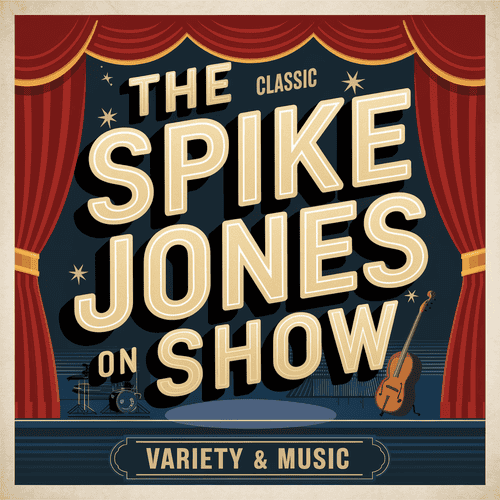
The late 1930s marked Weaver's entry into the entertainment world, with radio becoming his primary medium. He began making occasional guest appearances on popular radio programs, quickly establishing himself as a comedic talent. His big break came when he joined Spike Jones' City Slickers band in 1946, where he developed his most famous comedic persona: Professor Feetlebaum. The Professor Feetlebaum character became legendary in comedy circles. Speaking in a distinctive style that mixed up words and sentences, Weaver created a character that seemed to struggle with language itself, delivering comedy through deliberate linguistic confusion. His horse race commentary routine, featuring nonsensical race descriptions with horses like Cabbage and Girdle, became particularly famous and was often quoted and parodied by other performers.
Expanding into Multiple Media
Weaver's talents extended far beyond radio. He became a versatile performer in television, appearing in numerous shows throughout the 1950s and 1960s. In 1951, he even hosted The Doodles Weaver Show, a summer replacement series on NBC that showcased his comedic talents. He guest-starred on iconic shows like The Andy Griffith Show, Batman, and Dragnet, often playing eccentric characters that highlighted his unique comedic style. His film career was equally impressive, with appearances in over 90 movies. Notable films included The Birds (1963), It's a Mad, Mad, Mad, Mad World (1963), and The Nutty Professor (1963). Weaver had a remarkable ability to bring humor to even the smallest roles, making him a sought-after character actor.
Personal Struggles and Legacy
Despite his professional success, Weaver's personal life was complex. He was married four times and had three children. Tragically, on January 16, 1983, Weaver died by suicide, with his son reporting that he was despondent over declining health. His death marked the end of a remarkable career that had brought laughter to millions. Doodles Weaver's legacy extends beyond his performances. He influenced comedy through his unique linguistic humor and character work, inspiring future comedians and leaving an indelible mark on mid-20th-century entertainment.
Works and Appearances
Radio
- Spike Jones and His City Slickers (1946-1951)
- Various comedy programs featuring Professor Feetlebaum character
Television
- The Doodles Weaver Show (1951)
- The Andy Griffith Show (1961-1963)
- Batman (1966)
- Dragnet (1967-1970)
- Starsky and Hutch (1976)
Film
- The Birds (1963)
- It's a Mad, Mad, Mad, Mad World (1963)
- The Nutty Professor (1963)
- Earthbound (1981) - Final film role
Notable Recordings
- Horse Race Comedy Routines
- Spike Jones Parody Recordings