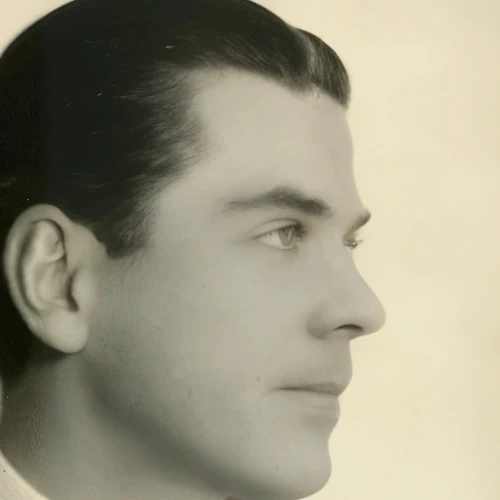
Donald Foster
Henri Donald Foster was an American actor whose versatile career spanned multiple entertainment mediums, leaving an indelible mark on mid-20th century performance arts. Though primarily known for his television and film roles, Foster's early career was deeply rooted in live performance, including his initial experiences on the vibrant stages of Broadway and showboats along the Mississippi River.
Early Beginnings and Stage Debut
Donald Foster's artistic journey began with an unconventional start that would foreshadow his adaptable performance career. His first acting experience was on a showboat traversing the Mississippi River, an environment that demanded versatility and quick wit from performers. This unique training ground provided Foster with foundational performance skills that would serve him throughout his career. In 1917, Foster made his Broadway debut, marking his official entry into professional performance. His theatrical career would span several decades, with his final Broadway performance coming in The Ponder Heart in 1956. These stage experiences demonstrated Foster's ability to transition between different performance styles and mediums.
Hollywood and Television Appearances
Foster's career gradually expanded beyond the stage, with notable appearances in film and television. While his film roles were often small or uncredited, he managed to work in several memorable productions. His filmography includes appearances in Al Capone (1959), Please Don't Eat the Daisies (1960), and Lord Love a Duck (1966). Television became another significant platform for Foster. He made appearances in popular shows of the era, including The Monkees, where he played diverse roles such as a courtier and a vice president in different episodes. His most recognizable television role was as Herbert Johnson, the eccentric neighbor in a 1960s sitcom, showcasing his comedic talents.
Performance Style and Versatility
What distinguished Donald Foster was his remarkable adaptability. From showboats to Broadway, from uncredited film roles to television appearances, he demonstrated a chameleon-like ability to fit into various performance contexts. His career reflected the dynamic entertainment landscape of mid-20th century America, where performers often navigated multiple mediums. Foster's roles, while often supporting or character parts, revealed his nuanced understanding of performance. Whether playing a doctor, a vice president, or a quirky neighbor, he brought a distinctive charm and authenticity to his characters. His ability to seamlessly transition between comedy and more serious roles highlighted his professional range.
Later Life and Legacy
On December 23, 1969, Donald Foster passed away at his home in Hollywood, California, at the age of 80. While he might not have been a headline-grabbing star, Foster represented a generation of versatile performers who were the backbone of American entertainment during a transformative period. Foster's legacy lies in his consistent professionalism and his ability to contribute meaningfully across different performance platforms. He exemplified the working actor's journey - steadily building a career through dedication, adaptability, and a genuine love for performance.
Works and Appearances
Television
- The Monkees (1967)
- Courtier (Season 1, Episode 21: "The Prince and the Paupers")
- Vice President (Season 2, Episode 2: "The Picture Frame")
Cinema
- Al Capone (1959) - Commodore Stevens (Uncredited)
- Please Don't Eat the Daisies (1960) - Justin Withers (Uncredited)
- All in a Night's Work (1961) - Doctor (Uncredited)
- Lord Love a Duck (1966) - Mr. Beverly
Theater
- Broadway debut (1917)
- The Ponder Heart (1956) - Final Broadway performance
Other Notable Information
- First performance experience on Mississippi River showboats
- Primarily active in entertainment from 1917 to 1969
