Dick Kollmar
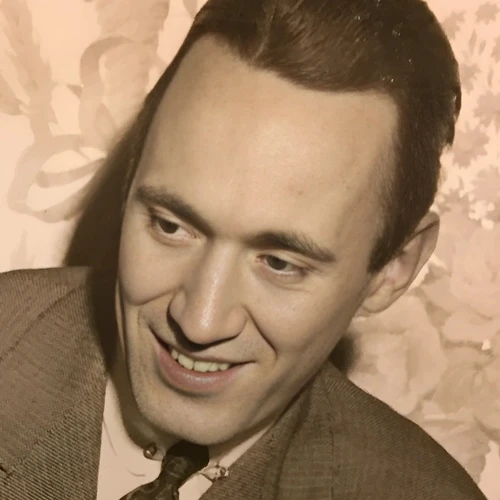
In the vibrant landscape of mid-20th century broadcasting, Richard Kollmar emerged as a quintessential New York radio personality, whose career spanned radio, television, theater, and beyond. More than just a broadcaster, Kollmar was a multifaceted entertainer who captured the heart of the city's morning audience with his distinctive charm and wit.
Early Life and Radio Beginnings
Born Richard Tompkins Kollmar on December 31, 1910, he came from a family with notable connections. His great-great-grandfather was a prominent political figure, which perhaps hinted at the public persona he would later develop. Kollmar's early interest in performance emerged during his school years, where he was active in the glee club and served as the school newspaper editor.
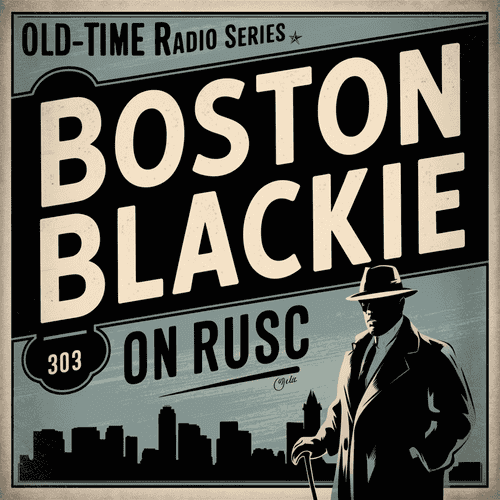
After moving to New York City, Kollmar quickly established himself in the radio landscape. He began by securing steady work in radio commercials, which served as his initial entry point into the broadcasting world. His early radio roles included portraying Dennis Pierce in the series Pretty Kitty Kelly and playing roles in various radio shows like Boston Blackie and other popular programs.
The Iconic Breakfast with Dorothy and Dick
Kollmar's most significant radio contribution came in April 1945 when he and his wife, newspaper columnist Dorothy Kilgallen, launched the groundbreaking morning show Breakfast with Dorothy and Dick. Broadcast live from their 16-room Park Avenue apartment, the show was a unique blend of entertainment, gossip, and New York City life.
The program was revolutionary for its time. Served by their butler Julius, the couple would discuss everything from entertainment and sports to celebrity gossip and the city's nightclub scene. Their children, Richard Jr. and Jill, would occasionally make appearances, adding a personal touch to the broadcast. The show drew an impressive audience of 20 million listeners and ran until March 21, 1963.
Broadway and Television Ventures
Beyond radio, Kollmar was a significant figure in Broadway production. He produced and directed several musicals, including Early to Bed (1943-1944) and Dream with Music (1944). Notably, he worked with legendary musicians like Fats Waller, demonstrating his innovative approach to theatrical productions.
His television career included hosting the short-lived variety series Broadway Spotlight and appearing on game shows like What's My Line?. Kollmar made five appearances on the popular show, twice as a panelist and other times as a mystery guest or occupational guest.
Personal Life and Later Years
Kollmar's personal life was as dynamic as his professional career. Married first to Dorothy Kilgallen in 1940, their relationship was complex. While Kilgallen achieved greater fame, Kollmar supported her career. After her death in 1965, he married fashion designer Anne Fogarty in 1967.
In his later years, Kollmar diversified his interests, operating art galleries and selling artwork. His gallery, The Little Studio, was particularly successful, selling artwork for less than a hundred dollars per piece. On January 7, 1971, Kollmar passed away in his New York home, leaving behind a rich legacy in entertainment.
Legacy and Impact
Richard Kollmar represented a unique breed of mid-century entertainer - versatile, charismatic, and deeply embedded in New York's cultural scene. His morning radio show with Dorothy Kilgallen was groundbreaking, offering listeners an intimate, conversational start to their day. Beyond radio, his contributions to Broadway and television showcased his multifaceted talents.
Works and Appearances
Radio
- Pretty Kitty Kelly (Role: Dennis Pierce)
- Boston Blackie
- Breakfast with Dorothy and Dick (1945-1963)
Television
- Broadway Spotlight (Host, 1949)
- What's My Line? (Guest/Panelist, 1952-1965)
- Guess What? (Host, 1952)
Broadway Productions
- Early to Bed (Producer, 1943-1944)
- Dream with Music (Producer/Director, 1944)
- The Body Beautiful (Producer, 1958)
Film
- Close-Up (1948)
Richard Kollmar's career exemplified the dynamic, interconnected world of mid-20th century entertainment, where performers seamlessly moved between radio, stage, and television.