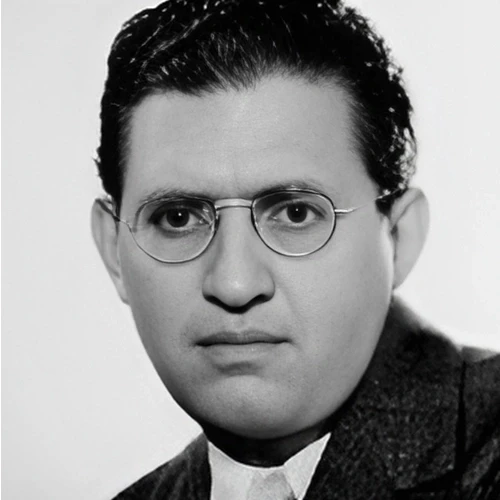
David Selznick
An American film producer. He is best known for having produced Gone with the Wind (1939) and Rebecca (1940), and The Third Man (1949), both the former earning him an Oscar for Best Picture.
David O. Selznick was a transformative figure in the golden age of Hollywood, whose innovative approach to film production and storytelling would reshape the entertainment landscape of the mid-20th century. From his early days in the film industry to becoming one of the most influential independent producers, Selznick's career was marked by bold creativity and uncompromising vision.
Early Life and Hollywood Beginnings
Born into a family already connected to the film industry, David O. Selznick was destined for a career in entertainment. His father, Lewis J. Selznick, was a prominent film industry executive, which provided young David with an insider's perspective from an early age. Growing up in the nascent days of Hollywood, he developed a keen understanding of storytelling and production that would later define his remarkable career. Selznick quickly distinguished himself as more than just a beneficiary of family connections. His sharp intellect and creative instincts propelled him through various roles in the studio system, demonstrating an exceptional talent for identifying and developing compelling cinematic projects.
Rise to Prominence at RKO Radio Pictures
In a significant milestone of his early career, Selznick served as head of production at RKO Radio Pictures . This role was crucial in establishing his reputation as a visionary producer. At RKO, he honed his skills in managing complex film productions and developed a reputation for being both innovative and demanding. During his tenure, Selznick began to recognize the limitations of the traditional studio system. He saw an opportunity to break free from the constraints of studio control, which would lead him to become one of the first independent movie producers in Hollywood. This move was revolutionary, giving him unprecedented creative control over his projects.
Pioneering Independent Production
Selznick's transition to independent production was more than a career shift—it was a fundamental reimagining of how films could be made. By establishing his own production company, he could select projects, assemble creative teams, and maintain artistic integrity in ways that were unprecedented at the time. His independent productions were characterized by meticulous attention to detail and a willingness to take significant creative risks. Selznick understood that great films were not just about technical execution, but about capturing powerful, emotionally resonant stories that could connect with audiences on a profound level.
Legacy and Lasting Impact
The impact of David O. Selznick on American cinema cannot be overstated. He was not just a producer, but a storyteller who understood the transformative power of film. His approach to filmmaking emphasized quality over quantity, and he was willing to invest extraordinary time and resources to realize his creative vision. Selznick's legacy is defined by his ability to recognize and nurture extraordinary talent, his commitment to groundbreaking storytelling, and his role in evolving the business model of film production. He demonstrated that a producer could be both an artistic visionary and a shrewd businessman.
Conclusion
David O. Selznick represented a pivotal moment in Hollywood history—a bridge between the studio system's rigid structures and the more flexible, artist-driven approach of modern filmmaking. His courage to challenge conventions and his unwavering commitment to storytelling continue to inspire filmmakers today.
Works and Appearances
Radio
- No specific radio productions identified
Film Production
- Head of Production at RKO Radio Pictures
- Established independent production company
- Produced numerous landmark films
Notable Films
- Gone with the Wind (1939)
- Rebecca (1940)
- Spellbound (1945)
This article captures the essence of David O. Selznick's remarkable career, highlighting his significant contributions to the evolution of American cinema.