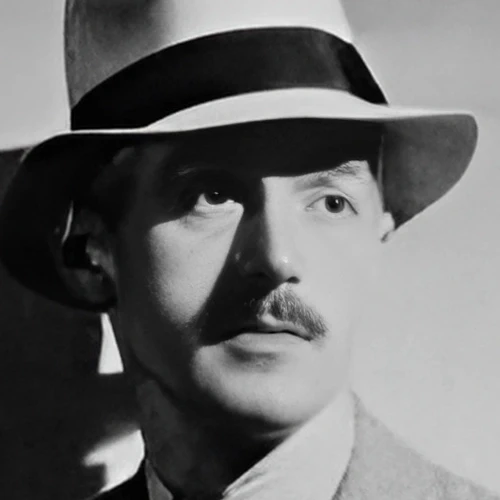
Dashiell Hammett was far more than just a pioneering crime fiction writer; he was a multifaceted personality whose influence extended deep into the world of radio broadcasting. Though primarily known for his groundbreaking detective novels, Hammett's connection to radio represented a fascinating chapter in his complex creative life.
The Making of a Literary Detective
Born on May 27, 1894, near Baltimore, Samuel Dashiell Hammett emerged from humble beginnings. His early life was marked by financial challenges that forced him to leave school at thirteen to support his family. Before becoming a writer, Hammett worked as a Pinkerton detective, an experience that would profoundly shape his literary and narrative style. Hammett's transition into writing came through pulp magazines, particularly Black Mask, where he honed his distinctive hard-boiled detective fiction style. His characters like Sam Spade became archetypes that would influence not just literature, but radio drama for decades to come.
Radio's Narrative Playground
Hammett's characters proved irresistible to radio producers. Several of his most famous creations found their way onto the airwaves, becoming popular radio series. The radio adaptations included:
- The Thin Man series (1941, 1946, 1948, 1950)
- Nick and Nora Charles show (1946 on CBS, 1949 on NBC)
- Sam Spade series (1946-1950 on ABC)
- The Fat Man series (1954-1955)
These radio shows transformed Hammett's literary characters into audio personalities, reaching millions of listeners and expanding the reach of his narrative world.
Political Activism and Radio Challenges
Hammett's political activism would ultimately intersect with his radio career in complex ways. A committed leftist, he was elected president of the Civil Rights Congress in 1946 and became increasingly involved in political causes. His political stance led to significant professional challenges, including being investigated during the McCarthy era and ultimately being blacklisted. By 1952, these political pressures had taken a substantial toll. His radio programs were canceled, and he found himself impoverished, with his books no longer in print.
Legacy Beyond the Microphone
Despite the challenges, Hammett's influence on popular culture remained profound. His characters continued to inspire adaptations across various media, from films to novels. Writers like Rachel Cohn and David Levithan would later create works directly referencing Hammett's characters and legacy. Raymond Chandler, often considered Hammett's literary successor, perhaps best summarized his impact: "Hammett gave murder back to the kind of people that commit it for reasons... He wrote scenes that seemed never to have been written before."
Works and Appearances
Radio
- The Thin Man (1941, 1946, 1948, 1950)
- Nick and Nora Charles Show (1946, 1949)
- Sam Spade (1946-1950)
- The Fat Man (1954-1955)
Literature
- Red Harvest
- The Maltese Falcon
- The Thin Man
- The Glass Key
Film Adaptations
- The Maltese Falcon (1941)
- Numerous parodies and adaptations of his characters in subsequent decades
Dashiell Hammett's journey through radio was as complex and compelling as the characters he created - a testament to his enduring impact on American storytelling.