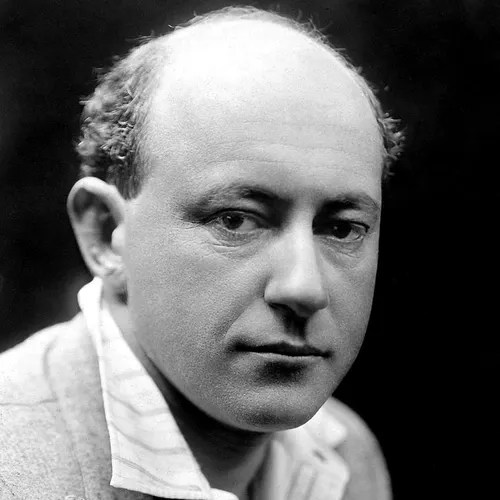
Cecil B DeMille
An American film director and film producer in both silent and sound films. DeMille began his career as a stage actor in 1900. He later moved on to writing and directing stage productions.
Cecil B. DeMille was far more than just a legendary film director; he was also a significant figure in the world of radio broadcasting. His Lux Radio Theatre became one of the most popular weekly shows in radio history, showcasing his remarkable talent for storytelling and entertainment beyond the silver screen.
The Path to Radio Stardom
DeMille's journey into radio broadcasting began in 1935 when he started hosting Lux Radio Theatre on CBS. From June 1, 1936, until January 22, 1945, he personally directed and hosted the weekly program, which became a cultural phenomenon. The show was a digest of current feature films, transforming Hollywood's biggest movies into captivating audio experiences. The program was phenomenally successful, attracting an astounding 40 million weekly listeners. DeMille's annual salary for hosting reached $100,000 - a remarkable sum during the Great Depression era. He produced, hosted, and directed nearly every show, with only occasional guest directors.
Innovative Broadcasting Approach
DeMille brought his cinematic sensibilities to radio, treating each broadcast as a carefully crafted performance. His extensive research skills, which he used in filmmaking, translated perfectly to creating compelling radio narratives. He worked meticulously with writers to develop engaging stories and ensure high-quality productions. The show featured an impressive roster of Hollywood talent. Frequent actors and actresses included Barbara Stanwyck, Claudette Colbert, Loretta Young, Don Ameche, and Fred MacMurray. These star-studded adaptations were a major draw for listeners, bringing Hollywood glamour directly into living rooms across America.
Controversy and Departure
DeMille's radio career took an unexpected turn when he clashed with the American Federation of Radio Artists (AFRA). In 1945, he resigned from Lux Radio Theatre after refusing to pay a mandatory dollar assessment to the union. He believed no organization had the right to levy compulsory fees. This principled stand led to significant professional consequences. DeMille sued the union but lost both his initial case and an appeal to the California Supreme Court. When AFRA expanded to television, he was banned from television appearances. In response, he formed the DeMille Foundation for Political Freedom and campaigned nationwide for workers' rights.
Legacy in Broadcasting
Despite the controversy, DeMille's impact on radio broadcasting was profound. Lux Radio Theatre remained one of the most popular weekly shows in radio history. His ability to translate cinematic storytelling into audio format demonstrated his remarkable versatility as an entertainer. After leaving radio, DeMille continued to be remembered as a multimedia pioneer. His adaptability between film, radio, and other media solidified his reputation as a true entertainment innovator.
Works and Appearances
Radio
- Lux Radio Theatre (Host/Director, 1935-1945)
- Weekly program adapting feature films for radio audiences
- 40 million weekly listeners at peak
Film
- Directed over 70 feature films between 1914-1958
- Notable films: The Ten Commandments, Samson and Delilah, The Greatest Show on Earth
Other Media
- Occasional film appearances as himself
- Narrator for several of his own film trailers
Cecil B. DeMille's radio career, though relatively brief, was as impactful and innovative as his legendary filmmaking. He transformed radio into a sophisticated storytelling medium, bringing Hollywood's magic to millions of listeners across the United States.