Carmen Miranda
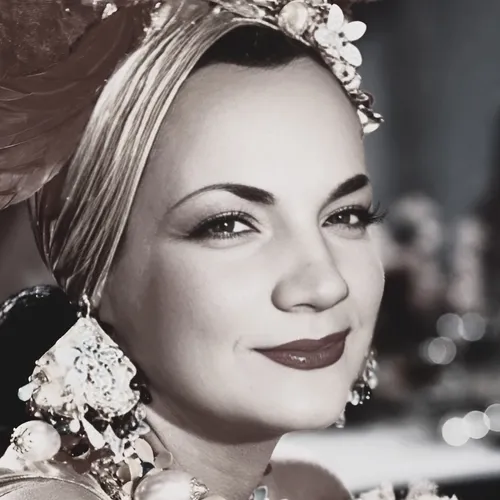
A Portuguese-born Brazilian samba singer, dancer, Broadway actress, and film star who was popular in the 1940s and 1950s.
In the vibrant landscape of mid-20th century entertainment, few personalities shone as brightly as Carmen Miranda, a dynamic performer who transformed the worlds of radio, music, and film with her electrifying presence and unique cultural fusion.
Early Radio Days in Brazil
Carmen Miranda's radio career began in the early 1930s, marking her as a pioneering figure in Brazilian broadcasting. In 1933, she signed a groundbreaking two-year contract with Radio Mayrink Veiga, becoming the first contract singer in Brazilian radio history. Her rise to stardom was intrinsically linked to the growing popularity of samba, a musical genre that would become her trademark. During this period, Miranda earned several memorable nicknames that reflected her rising popularity, including "Cantora do It" and "Ditadora Risonha do Samba". Radio announcer Cesar Ladeira christened her "A Pequena Notável" (The Remarkable Little One), highlighting her extraordinary talent and charisma.
Breakthrough in American Radio
Miranda's radio presence extended beyond Brazil, particularly after her move to the United States. She made numerous radio appearances that helped solidify her international reputation. Some notable radio shows included:
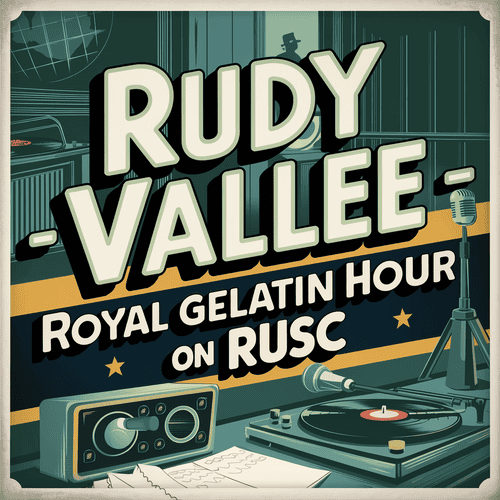
- The Rudy Vallée Show (1939, 1941)
- The Fred Allen Show (1939, 1946)
- Hello Americans (1942) - A significant show where she appeared alongside Orson Welles, introducing Brazilian culture to American audiences
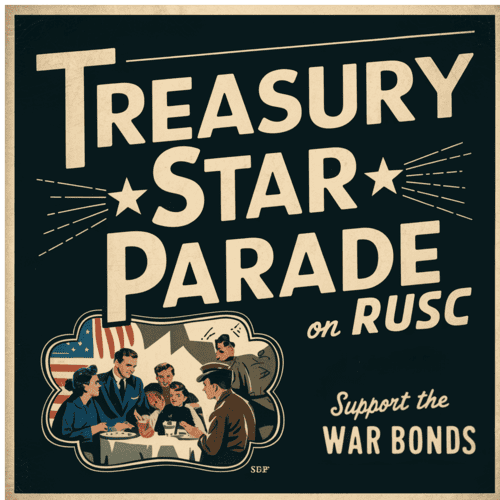
Her radio performances were not just musical but also part of a broader cultural diplomacy effort during World War II. Shows like Command Performance and Treasury Star Parade featured Miranda, helping to strengthen inter-American relations.
Radio and the Good Neighbor Policy
Miranda's radio and performance work was strategically important during the Good Neighbor Policy era. The U.S. government encouraged performers like her to create a favorable impression of Latin American culture. Her radio appearances, often featuring her distinctive samba rhythms and vibrant personality, were instrumental in this cultural exchange.
Collaborative Radio Performances
In the later stages of her career, Miranda continued to be a dynamic radio presence. Her collaborations were particularly noteworthy, such as her work with The Andrews Sisters. Their first radio collaboration was in 1945 on ABC's The Andrews Sisters Show, and they went on to record several popular singles together.
Legacy in Radio and Beyond
While Miranda is often remembered for her Hollywood films and iconic fruit-laden hats, her radio career was equally significant. She helped popularize samba, broke cultural barriers, and became a bridge between Brazilian and American musical traditions.
Works and Appearances: Radio
Radio Shows
- Rudy Vallée Show (1939, 1941)
- The Fred Allen Show (1939, 1946)
- Hello Americans (1942)
- Command Performance (1942-1946)
- Treasury Star Parade (1942)
- The Andrews Sisters Show (1945)
Notable Radio Singles
- "Cuanto La Gusta" (1948)
- "Tico-Tico no Fubá"
- "South American Way"
Carmen Miranda's radio legacy represents more than entertainment—it was a powerful narrative of cultural exchange, musical innovation, and breaking stereotypes in a transformative era of global communication.