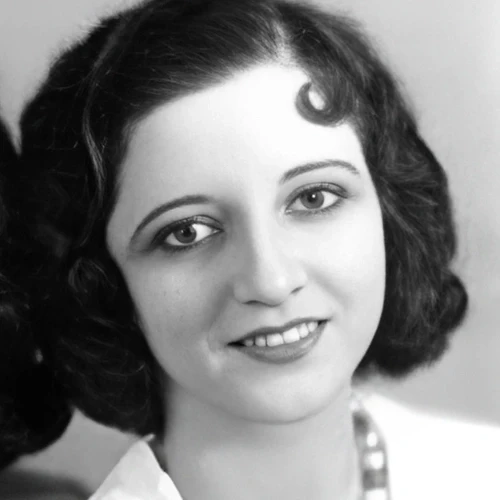
Boswell Sisters
The early 20th century witnessed the emergence of groundbreaking musical talents that would forever change the landscape of American popular music. Among these revolutionary performers were the Boswell Sisters - Martha, Connie, and Helvetia "Vet" - a vocal trio whose innovative approach to harmony and arrangement would influence generations of musicians to come.
Origins in New Orleans
Born in the vibrant musical environment of New Orleans, the Boswell Sisters emerged from a family deeply passionate about music. Martha (born June 9, 1905), Connie (born December 3, 1907), and Helvetia (born May 20, 1911) grew up in a middle-class household where music was more than just entertainment - it was a way of life. Their parents, A.C. Boswell and Meldania George Foore, along with their extended family, created a musical atmosphere that would shape the sisters' future. The family's musical journey was enriched by their exposure to diverse musical traditions. They studied classical music under Otto Finck at Tulane University, learning piano, cello, and violin. However, the city's vibrant jazz scene quickly captured their imagination. Regular visits to the Lyric Theatre to watch African American performers, and interactions with Black musicians and household servants, profoundly influenced their musical style.
Pioneering Vocal Techniques
The Boswell Sisters developed a revolutionary approach to vocal performance that set them apart from their contemporaries. Their unique style featured intricate harmonies, unexpected tempo changes, and innovative vocal techniques. They pioneered what became known as "passing harmony," where singers would unexpectedly switch vocal ranges, creating a fluid and dynamic sound. Their performances were characterized by remarkable vocal effects, including instrumental imitation, gibberish singing (dubbed "Boswellese"), and complex musical arrangements. This approach was groundbreaking, blending elements of jazz, blues, and traditional pop in ways never heard before. Their ability to rearrange melodies, change keys mid-song, and incorporate sections from other compositions made them true musical innovators.
Rise to National Prominence
By the early 1930s, the Boswell Sisters had become national sensations. They transitioned from local New Orleans performances to radio broadcasts, first in California and then nationally from New York. Their Brunswick recordings between 1931 and 1935 are considered milestone recordings of vocal jazz. The trio's popularity was extraordinary. They chalked up 20 hits during the 1930s, including the number-one record "The Object of My Affection" in 1935. They appeared in films, performed on radio shows, and collaborated with prominent jazz musicians like the Dorsey Brothers. Their influence was so significant that Ella Fitzgerald would later cite Connie Boswell as her primary vocal influence.
Legacy and Impact
The Boswell Sisters' musical legacy extends far beyond their active years. They were inducted into the Vocal Group Hall of Fame in 1998 and have inspired numerous musical groups worldwide. Scholars argue that they "made 'real' jazz commercially viable, destigmatizing the music and opening its appreciation to the wider American public". Their unique style bridged racial musical traditions, incorporating elements from African American musical forms while maintaining their own distinctive sound. This approach was revolutionary for the time, challenging musical and social boundaries.
Works and Appearances
Radio
- Various national network broadcasts (NBC, CBS) from 1931-1936
- Regular appearances on sponsored programs like The Pleasure Hour
Film
- The Big Broadcast (1932)
- Meet the Baron (1933)
- Moulin Rouge (1934)
- Transatlantic Merry-Go-Round (1934)
Recordings
- Victor Records (1925)
- Brunswick Records (1931-1935)
- Decca Records (1936)
Notable Hit Singles
- "When I Take My Sugar to Tea" (1931)
- "I Found a Million Dollar Baby" (1931)
- "The Object of My Affection" (1935)
- "Dinah" (1935)
The Boswell Sisters' remarkable journey from New Orleans to national stardom represents a pivotal moment in American musical history, demonstrating how innovation, talent, and a willingness to break musical conventions can create lasting cultural impact.