Bob Sweeney
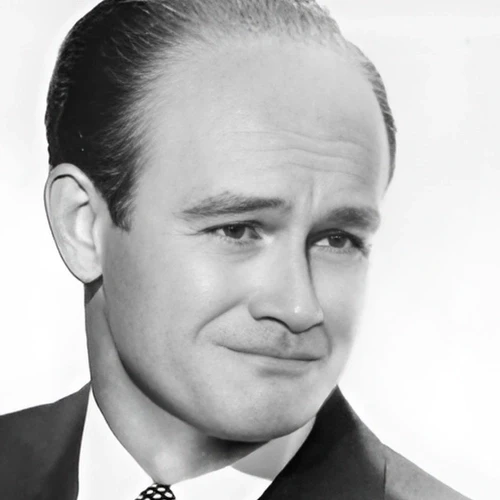
An actor, director and producer of radio, television and film.
In the golden age of American entertainment, few performers embodied the versatility and charm of Bob Sweeney. A multifaceted talent who seamlessly transitioned between radio, television, and film, Sweeney carved out a remarkable career that spanned nearly five decades. From his early days as a comedy performer to his later success as a director and producer, he became a quintessential figure in mid-20th century entertainment.
Early Years and Comedy Beginnings
Born on October 19, 1918, in San Francisco, California, Bob Sweeney's journey into entertainment began during his college years. In the early part of World War II, he and a college classmate formed a stand-up comedy team, entertaining troops at military bases across the country. This experience would prove instrumental in developing his comedic timing and performance skills. Sweeney's natural comedic talent quickly found a platform in radio. From 1944 through 1948, he teamed up with comedy partner Hal March to create The Bob Sweeney-Hal March Show, which became a popular radio program of the era. Their dynamic partnership showcased Sweeney's ability to connect with audiences through humor and wit.
Transition to Television and Sitcom Success
As television emerged as the dominant entertainment medium, Sweeney adeptly adapted his skills. He appeared in various sitcoms during television's early years, taking supporting character roles that highlighted his comedic prowess. Notably, he played Gilmore Cobb in the television version of a popular series and made appearances on several prominent shows of the 1950s. From 1956 to 1957, Sweeney starred alongside Gordon in a TV sitcom, further establishing his television credentials. In 1959, he landed the lead role in the short-lived television series Fibber McGee, though the show was ultimately cancelled after less than one season. During the same period, he demonstrated his directorial skills by directing an 18-week NBC sitcom set in upstate New York.
Film Roles and Diverse Performances
Sweeney's talents extended beyond radio and television into cinema. His film credits included memorable roles in several productions. He appeared as an undertaker in a film, played a manipulative circus manager in a Disney film Toby Tyler (1960), and portrayed a humorously aggressive IRS agent in another Disney film. His versatility as an actor was evident in these diverse character portrayals.
Directing and Television Legacy
While Sweeney was a talented performer, he truly distinguished himself as a television director and producer. He is best known for directing 102 episodes of a significant television series and producing or directing episodes for numerous highly successful TV shows. His directorial work spanned series like The Love Boat, for which he was even nominated for an Emmy Award in 1983.
Personal Life and Final Years
Bob Sweeney's personal life was marked by stability and simplicity. He was married to Bev Sweeney, with whom he had one daughter, Bridget. After a long and successful career in entertainment, Sweeney passed away from cancer on June 7, 1992, in Westlake Village, California, leaving behind a rich legacy in American entertainment.
Works and Appearances
Radio
- The Bob Sweeney-Hal March Show (1944-1948)
Television
- Various sitcom appearances (1953-1956)
- Fibber McGee (1959)
- Directed 102 episodes of unnamed series
- Directed episodes of The Love Boat
Film
- It Grows on Trees (1952)
- Toby Tyler (1960)
- Son of Flubber (1963)
- Marnie (1964)
- Born to Ride (1991) - Final film role
Bob Sweeney's career exemplified the adaptability and creativity required to succeed in the rapidly evolving entertainment landscape of mid-20th century America. From radio comedy to television directing, he remained a versatile and respected figure in the industry.