Bill Thompson
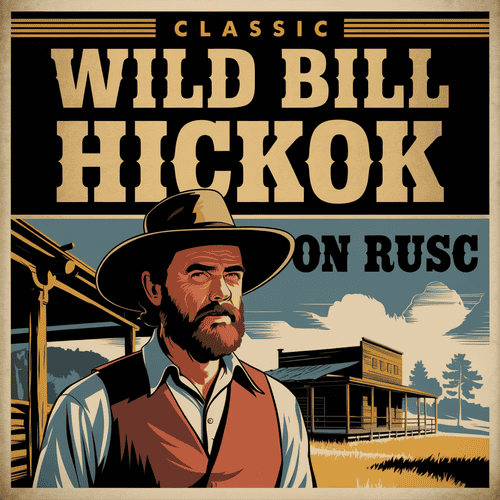
In the golden age of radio, few performers could captivate audiences quite like Bill Thompson. A master of vocal characterization and comedic timing, Thompson became one of the most beloved voice actors of his era, bringing to life a memorable cast of characters that would define mid-20th century American entertainment.
Early Life and Radio Beginnings
Born on July 8, 1913, in Terre Haute, Indiana, William H. Thompson discovered his talent for performance early in life. He began his radio career in Chicago in the mid-1930s, quickly establishing himself as a versatile performer. Thompson's breakthrough came when he joined the cast of the immensely popular Fibber McGee and Molly radio show around 1936. On Fibber McGee and Molly, Thompson developed several iconic characters that would become national sensations. His most enduring creation was Wallace Wimple, a timid birdwatcher perpetually terrified of his domineering wife ,"Sweetie Face". The character was so popular that it inspired legendary animator Tex Avery to create a cartoon dog character based on Thompson's distinctive voice.
The Golden Age of Radio Comedy
Thompson's comedic genius truly shined through his multiple characters on Fibber McGee and Molly. Beyond Wallace Wimple, he portrayed The Old Timer, a garrulous old man who would interrupt stories with his catchphrase, "That's pretty good, Johnny, but that ain't the way I heerd it!" This character became a national phenomenon, even appearing in cartoon shorts. His radio career was temporarily interrupted during World War II when he joined the military, but he returned to Fibber McGee full-time in 1946. Thompson continued to be a prominent radio personality, appearing in several series and gradually transitioning into voice acting for animated productions.
Animated Voices and Disney Collaboration
Thompson's unique vocal talents made him a sought-after voice actor in animation. At Metro-Goldwyn-Mayer, he became the voice of Droopy, the deadpan cartoon dog, and appeared in numerous cartoon shorts. His work with Walt Disney Studios was particularly notable, where he voiced characters in classic films like Alice in Wonderland, Peter Pan, Lady and the Tramp, and Sleeping Beauty. In Lady and the Tramp (1955), Thompson showcased his remarkable range by voicing multiple characters, including Jock the Scottish Terrier. His ability to create distinct dialect parts made him invaluable to animation studios.
Later Career and Legacy
As radio's prominence declined, Thompson seamlessly transitioned to other media. In 1957, he joined the Los Angeles branch of an organization as an executive, while continuing to work in voice acting. His final film role was voicing Uncle Waldo in Disney's The Aristocats in 1970. Tragically, Thompson passed away on July 15, 1971, just a week after his 58th birthday. In recognition of his contributions to entertainment, he received a star on the Hollywood Walk of Fame on February 8, 1960.
Works and Appearances
Radio
- Fibber McGee and Molly (1936-1946)
- Various radio series as lecturer "Professor" Thompson
Animation Voice Work
- MGM Cartoons:
- Droopy (1943-1945, 1949-1958)
- Spike/Butch (recurring character)
Bill Thompson's extraordinary vocal versatility and comedic brilliance made him a true icon of mid-20th century entertainment, bridging the worlds of radio and animation with unparalleled skill and charm.