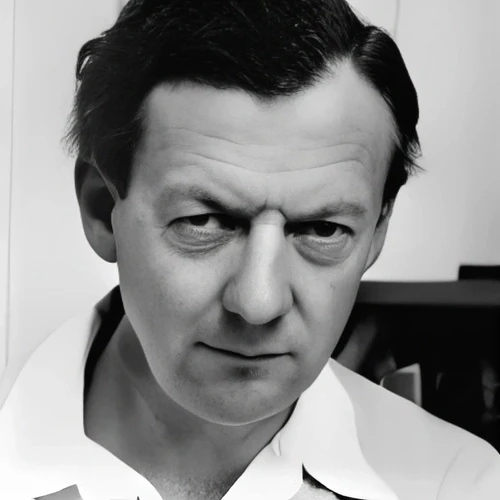
Benjamin Britten
Benjamin Britten stands as one of the most influential composers of the 20th century, a musical innovator who transformed British opera and classical music through his extraordinary talent and unique artistic vision. Born in the coastal town of Lowestoft, Suffolk, Britten would go on to become a defining voice in classical music, creating works that continue to resonate with audiences worldwide.
Early Life and Musical Beginnings
Benjamin Britten was born on November 22, 1913, in Lowestoft, to a middle-class family with a deep appreciation for music. His mother, Edith Britten, was an amateur singer who recognized and nurtured her son's musical talents from an early age. At just eleven years old, Britten was discovered by the renowned composer Frank Bridge, who would become a pivotal mentor in his musical development. Britten's musical education was remarkable. By the age of 17, he had earned a place at the Royal College of Music, where he studied piano and composition under notable instructors. His exceptional talent was quickly recognized, and he won multiple prestigious prizes, including the Sullivan Prize for composition and the Cobbett Prize for chamber music.
Emergence as a Groundbreaking Composer
The 1930s marked a crucial period of artistic development for Britten. He began composing prolifically, writing nearly 40 scores for theatre, cinema, and radio between 1935 and 1937. His collaboration with poet W.H. Auden during this time was particularly influential, expanding his aesthetic and intellectual horizons. A pivotal moment in Britten's career came with the premiere of Peter Grimes in 1945. This opera established him as a leading 20th-century composer, exploring themes of the outsider struggling against a hostile society. The work's success catapulted Britten to international fame and marked the beginning of his most productive operatic period.
Artistic Innovation and Collaboration
Britten's partnership with tenor Peter Pears was central to his artistic life. Meeting in 1937, Pears became both Britten's personal partner and his most important musical muse. Many of Britten's works were composed specifically for Pears, including numerous song cycles and opera roles. His compositional range was extraordinary. Britten wrote 16 operas, ranging from large-scale works to intimate chamber operas. He was particularly interested in creating music for children and amateur performers, demonstrating his commitment to making classical music accessible.
Legacy and Global Impact
Britten's musical language was unique, characterized by a progressive conservatism that maintained tonal structures while incorporating innovative techniques. His works often explored themes of innocence, corruption, and societal marginalization. Notably, his War Requiem (1962) stands as a powerful anti-war statement, combining traditional liturgical text with the poetry of World War I poet Wilfred Owen. Throughout his career, Britten received numerous honors, including becoming the first composer to be awarded a life peerage. He was made Baron Britten of Aldeburgh in 1976, just months before his death.
Conclusion
Benjamin Britten revolutionized 20th-century classical music, creating a body of work that continues to challenge, move, and inspire. His commitment to musical innovation, social commentary, and artistic integrity ensures his place as one of the most significant composers of his era.
Works and Appearances
Radio
- Various documentary and film scores (1935-1937)
- The Rescue radio play music
Opera
- Peter Grimes (1945)
- Billy Budd (1951)
- Gloriana (1953)
- The Turn of the Screw (1954)
- A Midsummer Night's Dream (1960)
- Owen Wingrave (1971)
- Death in Venice (1973)
Orchestral Works
- Young Person's Guide to the Orchestra (1946)
- War Requiem (1962)
- Variations on a Theme of Frank Bridge (1937)
Choral Works
- A Ceremony of Carols (1942)
- Hymn to St. Cecilia (1942)
Chamber and Instrumental
- Serenade for Tenor, Horn, and Strings (1943)
- Violin Concerto (1939)