Barry Fitzgerald
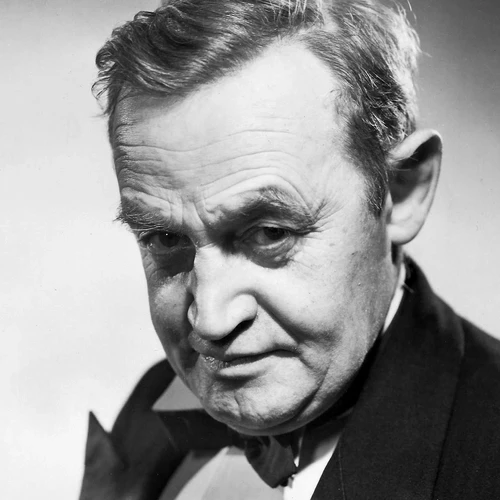
Barry Fitzgerald, born William Joseph Shields on March 10, 1888, in Dublin, Ireland, was a remarkable actor whose journey from civil servant to Hollywood icon epitomizes the magic of old-time entertainment. With his diminutive stature, irresistible brogue, and unparalleled character work, Fitzgerald became one of the most beloved performers of his era, bridging the worlds of Irish theater and American cinema.
Early Life and Theatrical Beginnings
Growing up in Dublin, Fitzgerald was not initially destined for the stage. After graduating from Skerry's College, he began working as a bookkeeping clerk for the Dublin Board of Trade's Unemployment Insurance Division. However, a chance backstage visit to an actor friend would change the trajectory of his life forever. Fascinated by theater, he began acting as a hobby, making his Abbey Theatre debut in the play Hyacinth Halvey in 1914. Remarkably, Fitzgerald maintained his civil service job while secretly rehearsing during lunch hours and performing in the evenings. He even adopted a professional pseudonym to avoid detection by his employers. This delicate balancing act continued for 15 years until he finally committed to acting full-time in 1929 at the age of 41.
Rise Through the Abbey Theatre
Fitzgerald's association with the Abbey Theatre was transformative. Over seven years, he performed over 150 different roles, becoming particularly renowned for his performances in Sean O'Casey's plays like Juno and the Paycock and The Plough and the Stars. His portrayal of The Orator in Juno was so memorable that he was invited to reprise the role in Alfred Hitchcock's 1930 film adaptation. His talent did not go unnoticed. In 1935, New York City Mayor Fiorello LaGuardia dubbed him the "greatest character actor in the English-speaking profession of this age". Between 1932 and 1941, Fitzgerald made 15 Broadway appearances, further cementing his reputation.
Hollywood and Breakthrough Roles
Fitzgerald's transition to Hollywood was gradual but impactful. He appeared in notable films like Bringing Up Baby (1938) and How Green Was My Valley (1941), working frequently with director John Ford. However, his true breakthrough came with Leo McCarey'sGoing My Way (1944), where he played the irascible Father Fitzgibbon alongside Bing Crosby. In a unique moment in Oscar history, Fitzgerald was simultaneously nominated for Best Actor and Best Supporting Actor for the same role - a feat that prompted the Academy to change its nomination rules. He won the Best Supporting Actor award, adding to his growing legend.
Later Career and Legacy
Fitzgerald continued to charm audiences in films like The Quiet Man (1952), where he played a colorful matchmaker, and The Naked City (1948), showcasing his versatility. Despite health challenges, he remained a beloved figure in entertainment.
Works and Appearances
Radio
- Radio Theater: Starred in "Welcome Stranger" episode (1954)
Film Highlights
- Juno and the Paycock (1930)
- How Green Was My Valley (1941)
- Going My Way (1944)
- And Then There Were None (1945)
- The Quiet Man (1952)
Television
- Alfred Hitchcock Presents (1955) - One episode
- General Electric Theater (1954) - One episode
Barry Fitzgerald passed away on January 4, 1961, in Dublin, leaving behind a legacy as one of Ireland's most cherished performers. In 1988, Ireland honored him by releasing a commemorative stamp, ensuring his memory would continue to inspire future generations.