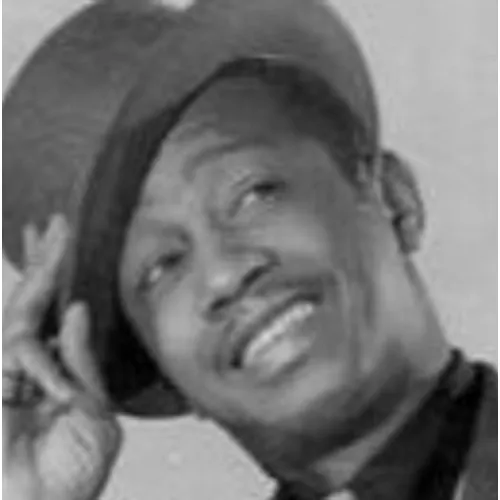
Avon Long
An American Broadway actor and singer.
Avon Long was a multifaceted African American performer whose career spanned several decades, showcasing remarkable talent in theater, film, and music. Though primarily known for his stage and screen work, Long's artistic journey represents a vibrant chapter in mid-20th-century entertainment history.
Early Life and Artistic Beginnings
Born on June 18, 1910, in Baltimore, Maryland, Avon Long's path to performance was shaped by early challenges and unique circumstances. As a child, he experienced a health condition that affected his feet, an experience he later credited with giving him "the hard bone structure a dancer needs". Long's educational journey was unconventional. While attending school, he was particularly influenced by his Latin teacher and drama coach. In 1928, he was just one credit short of graduation but chose to drop out rather than return for an additional year. This decision marked the beginning of his artistic journey, as he soon moved from Boston to New York and began working at a venue in Harlem.
Rise in Broadway and Musical Performance
Long's Broadway career quickly gained momentum. In 1933, he performed in a production and was featured at a Harlem venue, singing "Brown Boy". His breakthrough came with significant roles in notable productions. He portrayed Sportin' Life in the 1942 revival of Porgy and Bess, a role he would later reprise in the 1951 recording of the opera. Throughout the 1930s and 1940s, Long collaborated with emerging talents like Lena Horne. Together, they introduced the Harold Arlen–Ted Koehler composition "As Long As I Live" in Cotton Club Parade (1934) when Horne was just 16 years old. His performances were not limited to musicals; he also appeared in dramatic productions like Carib Song in 1945.
Transition to Film and Television
Long's artistic versatility extended beyond the stage. He appeared in several films, including Ziegfeld Follies (1945), The Sting (1973), and Trading Places (1983). His film roles, though often supporting, demonstrated his range as a character actor. In television, Long continued to make memorable appearances. He was originally considered for the role of George Jefferson in "All in the Family" but was ultimately replaced. Despite this setback, he maintained a steady presence in the entertainment industry.
Later Career and Legacy
In the 1970s, Long continued to make significant contributions to theater. He originated the role of John in a Broadway production that ran from 1976 to 1977. His longevity in the performing arts was a testament to his talent and adaptability. Personally, Long was married to Gretchen Cotton, with whom he had three daughters. Tragically, his firstborn daughter passed away in 1980. Long himself died of cancer on February 15, 1984, in New York City, leaving behind a rich artistic legacy.
Works and Appearances
Theater
- Porgy and Bess (1942) - Sportin' Life
- Cotton Club Parade (1934)
- Carib Song (1945)
- The Pied Piper of Hamelin (1946) - East Harlem Players
- Broadway production (1976-1977) - Role of John
Film
- Ziegfeld Follies (1945) - Specialty
- Centennial Summer (1946) - Specialty
- Romance on the High Seas (1948) - Specialty Singer
- Finian's Rainbow (1968) - Uncredited
- The Sting (1973) - Benny Garfield
- Harry and Tonto (1974) - Leroy
- Trading Places (1983) - Ezra
- Nothing Lasts Forever (1984) - Alphacruiser Steward (final film role)
Avon Long's career exemplified the resilience and creativity of African American performers in the mid-20th century, bridging multiple entertainment mediums with grace and skill.