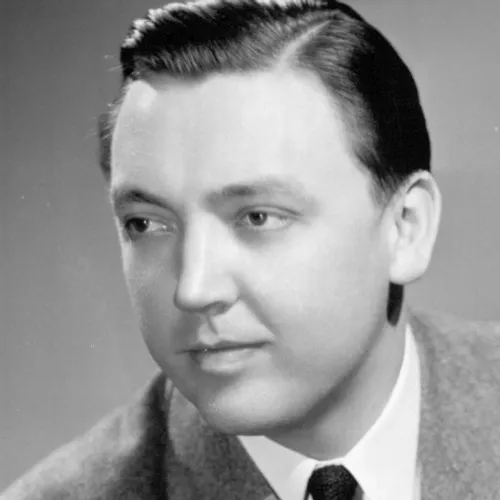
Alvino Rey
In the vibrant landscape of mid-20th century American music, few figures were as pioneering and versatile as Alvino Rey. A jazz guitarist, bandleader, and technological innovator, Rey transformed the musical landscape through his groundbreaking work with electrified instruments and unique performance techniques.
Early Life and Musical Beginnings
Born Alvin Henry McBurney on July 1, 1908, in Oakland, California, Rey displayed an extraordinary aptitude for both music and electronics from a remarkably young age. At just eight years old, he constructed his first radio, and within a few years, he was already recognized as one of the youngest radio enthusiasts in the country. When he received a banjo as a birthday present during his teenage years, his musical journey truly began to take shape. Rey's professional career launched in 1927 when he secured a job playing banjo with Cleveland bandleader Ev Jones. The following year, he became a member of a prominent orchestra, gradually transitioning from banjo to guitar. Strategically, he changed his name to Alvino Rey to capitalize on the popularity of Latin-sounding names in New York City at the time.
Pioneering Electrified Instrumentation
Rey was far more than just a musician; he was a true innovator in musical technology. In the 1920s, he began amplifying his banjo, setting the stage for future instrumental developments. A significant milestone came in 1935 when Gibson hired him to develop a prototype pickup with engineers in Chicago, which ultimately became the foundation for Gibson's first electric guitar. Perhaps his most fascinating invention was an early version of a "talk box" in 1939, a device that modified his electric steel guitar to sound like words. During performances, he created an animated mechanical character named "Stringy" that appeared to "sing" using these altered guitar sounds. This groundbreaking technology would later inspire other musicians and sound engineers.
Big Band Leadership and Musical Collaborations
From 1932 to 1938, Rey was a member of Phil Harris and His Musical Knights, where he began to draw significant attention. In 1939, he formed his own band featuring the King Sisters, and became the musical director at the KHJ Mutual Broadcasting radio network. During World War II, he recorded hit versions of popular songs and worked with numerous renowned musicians like saxophonist Stan Kenton and arrangers Billy May and Nelson Riddle.
Later Career and Technological Contributions
In the 1950s and 1960s, Rey continued to innovate and perform. He played steel guitar in small groups and became a music director for television shows. He made frequent appearances performing his "Talking Guitar" and collaborated with various musicians in emerging genres like exotica. Rey's technological contributions extended beyond performance. Around 1959-1960, he collaborated with composer Euel Box to bring distinctive pedal steel guitar sounds to radio jingles, significantly influencing the emerging Top Forty radio format.
Legacy and Personal Life
Inducted into the Steel Guitar Hall of Fame in 1978, Rey's influence on music technology was profound. In his later years, he moved to Salt Lake City, forming a jazz quartet and performing in local clubs. He retired from performing in 1994 and passed away in 2004 at the age of 95. Interestingly, Rey was also the maternal grandfather of musicians who would later perform in the band America, ensuring his musical legacy continued through generations.
Works and Appearances
Radio
- Musical director at KHJ Mutual Broadcasting Network (1939-1940s)
- Radio jingle innovations with PAMS Productions (1959-1960)
Recordings as Leader
- Swingin' Fling (1958)
- Ping-Pong! (Capitol, 1960)
- As I Remember Hawaii (Dot, 1962)
Television
- Music director for shows featuring King Sisters (1960s)
- Frequent appearances performing "The Alvino Rey Talking Guitar"
Musical Collaborations
- Phil Harris and His Musical Knights (1932-1938)
- Performances with Stan Kenton, Billy May, Nelson Riddle
Alvino Rey's remarkable journey from a young radio enthusiast to a pioneering musician and inventor represents a unique chapter in 20th-century American musical history, bridging technology, performance, and innovation.